Tunbridge Wells guides
Fire safety rules for landlords in Tunbridge Wells
Read through the guidance below to understand what fire safety law asks of your home or building. If you need a specialist firm to carry out the work, send an enquiry. There is no charge for asking.
Guides to fire risk management in Tunbridge Wells
Assessments and legal duties
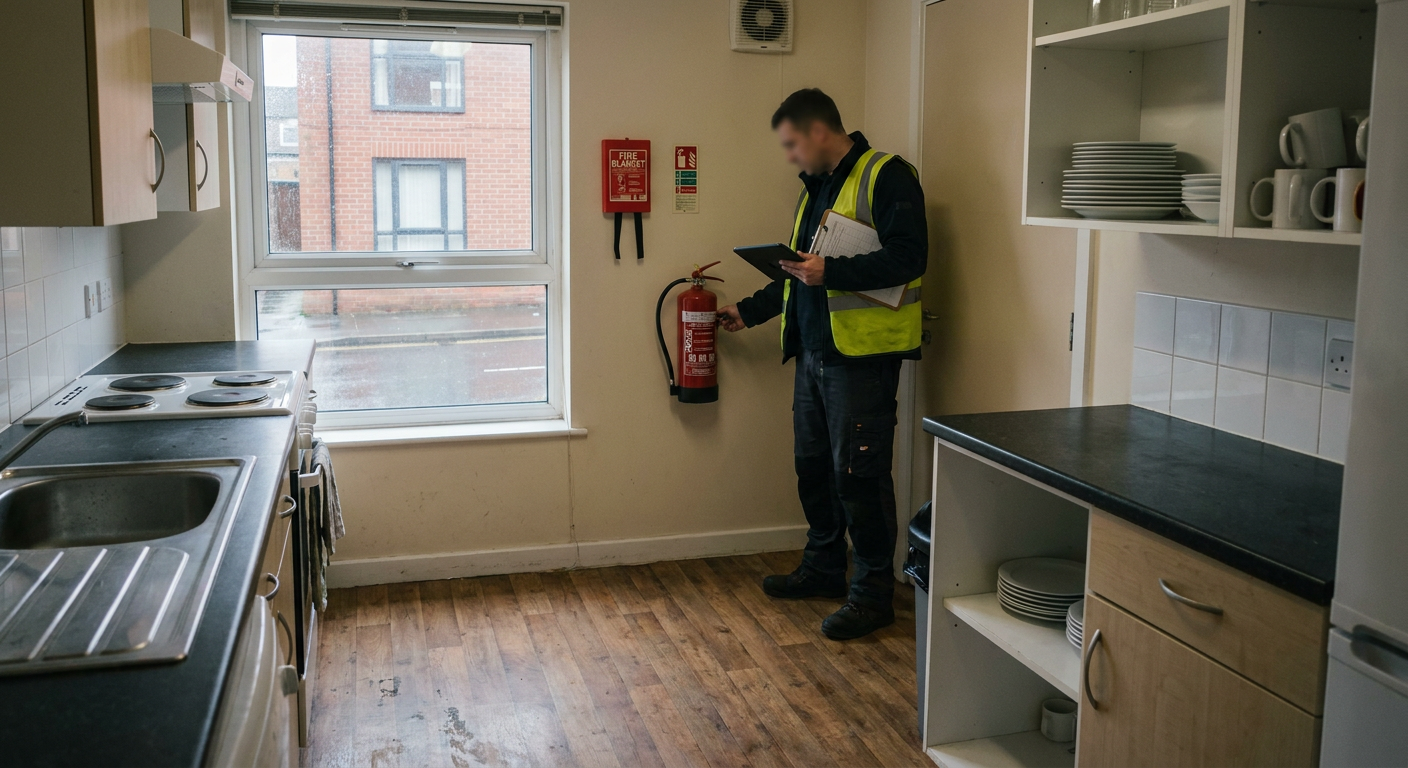
Every building that is not a single private home needs a fire risk assessment. The law places this duty on the responsible person, usually the owner, landlord or employer. A separate specialist firm carries out the assessment by examining how a fire could start, who might be harmed and what measures already exist to protect them.
If you are unsure whether your building needs one, read about [arranging a fire risk assessment](/what-the-law-asks/arranging-a-fire-risk-assessment). Landlords managing houses in multiple occupation face specific requirements, covered in the [HMO fire risk assessment guide](/what-we-cover/hmo-fire-risk-assessment-tunbridge-wells).
The assessment must stay current. Changes to the building, its use or the people inside it mean the document needs updating. Find out [how often to update a fire risk assessment](/what-the-law-asks/how-often-to-update-an-assessment) so the record does not fall out of date. The [responsible person duties guide](/what-the-law-asks/responsible-person-duties-tunbridge-wells) sets out exactly what the law expects from the individual in charge.
Doors, walls and compartmentation
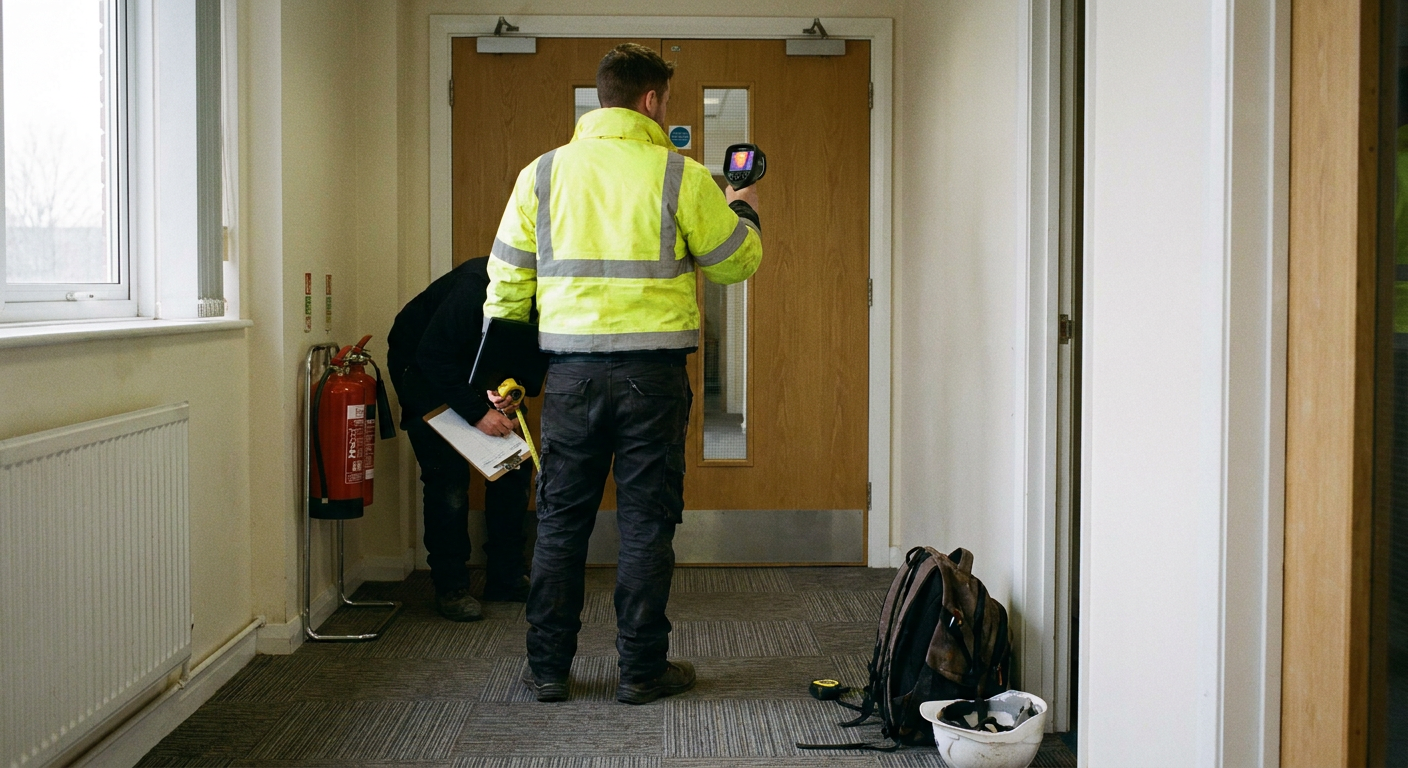
Fire doors hold back smoke and flames long enough for people to leave a burning building. They only work if the gaps around them are small, the seals are intact and the closers function properly. A specialist firm inspects each door against the standard it was built to meet. Read what the [fire door inspection process](/what-we-cover/fire-door-inspection-tunbridge-wells) involves before arranging one.
The frequency of these checks matters too. The guide on [how often fire doors should be checked](/what-the-law-asks/fire-door-check-frequency-tunbridge-wells) explains the intervals required by law.
Compartmentation goes beyond doors. It means dividing a building into sealed sections so fire cannot travel freely between floors or rooms. In blocks of flats and HMOs, missing or damaged compartmentation is a common problem. The [compartmentation survey guide](/what-we-cover/compartmentation-survey-tunbridge-wells) describes what a specialist firm looks for when checking those hidden barriers.
Planning escape routes and evacuation
A fire strategy sets out how a building protects the people inside it. It covers everything from the materials used in construction to the alarm systems installed. For larger or more complex buildings, a specialist firm writes the strategy as a standalone document. The [fire strategy guide](/what-we-cover/fire-strategy-tunbridge-wells) explains when a building needs one.
An evacuation plan translates that strategy into clear instructions. It tells occupants which route to take, where to gather and who checks that everyone is out. The [fire evacuation plans guide](/what-we-cover/fire-evacuation-plans-tunbridge-wells) lists what the document must include. Travel distances matter here: if a route is too long, the plan fails. Read about [escape routes and travel distances in small offices](/stories/escape-routes-and-travel-distances-in-small-offices) to see how layout affects safety.
Training staff and appointing wardens
People who work in a building need to know what to do when the alarm sounds. Fire safety awareness training covers the basics: how to raise the alarm, which exits to use and why certain doors must stay closed. A specialist firm delivers this training on site. The [awareness training guide](/what-we-cover/fire-safety-awareness-training-tunbridge-wells) outlines what a session includes.
Larger workplaces also need fire wardens. These are staff members given extra responsibility during an evacuation, such as sweeping their floor or directing visitors. The [fire warden training guide](/what-we-cover/fire-warden-training-tunbridge-wells) explains the role and the instruction required to fill it. Appointing wardens without training them leaves gaps in the plan.
Managing alarms, extinguishers and policy
Alarms and extinguishers need regular testing to remain reliable. A specialist firm checks that detectors respond, sounders are audible and extinguishers carry current service dates. The [alarm and extinguisher testing advice page](/what-we-cover/fire-alarm-and-extinguisher-testing-advice) details what those checks cover.
Written procedures keep fire safety consistent. A policy document records who is responsible for what, how often checks happen and what to do after a fault is found. The [fire safety policy and procedures guide](/what-we-cover/fire-safety-policy-and-procedures-tunbridge-wells) shows what a working document looks like. Without it, tasks get missed and records go unkept.
Some landlords prefer to hand the entire administrative burden to someone else. The [nominated person service](/what-we-cover/nominated-person-service-tunbridge-wells) explains how a specialist firm takes on that coordination role.
Specific buildings and situations
Different buildings present different problems. Student halls carry high occupancy and unfamiliar residents, so the [student accommodation fire safety guide](/what-we-cover/student-accommodation-fire-safety-tunbridge-wells) addresses the risks particular to that setting.
Flats above shops combine residential and commercial uses under one roof. The [flats above shops guide](/what-the-law-asks/flats-above-shops-tunbridge-wells) explains why this arrangement demands careful attention to shared escape routes and separation between floors.
Period properties and listed buildings restrict what alterations a specialist firm can make. The article on [fire safety in listed buildings and period properties](/stories/fire-safety-in-listed-buildings-and-period-properties) discusses how to manage risk when modern standards conflict with historic fabric.
Churches and community halls often rely on volunteers rather than paid staff. The piece on [fire safety in churches, halls and community buildings](/stories/fire-safety-in-churches-halls-and-community-buildings) addresses how to maintain safety with changing users. Blocks of flats may also need dry risers for firefighter access, covered in the [dry risers and firefighting access guide](/stories/dry-risers-and-firefighting-access-in-blocks-of-flats).
Notices, regulations and seasonal risks
Receiving a letter from the council about fire safety can cause alarm. The guide on [what a fire safety letter asks of you](/what-the-law-asks/fire-safety-letter-or-notice-tunbridge-wells) explains the typical contents and the deadlines involved.
The [Fire Safety (England) Regulations 2022](/what-the-law-asks/fire-safety-england-regulations-2022-tunbridge-wells) added new duties for owners of multi-occupied residential buildings. Understanding these rules prevents enforcement action later.
Seasonal changes bring temporary hazards. Office Christmas trees, paper decorations and trailing lights alter the fire load of a room. The [Christmas decorations fire safety checklist](/what-the-law-asks/christmas-decorations-fire-safety) identifies what to watch for before the festive period begins. Reading these guides helps you understand what a specialist firm will look at when they visit your building.
Ask a specialist firm to help
Send the details of your building and what concerns you. The enquiry goes to a specialist firm that handles fire risk management in Tunbridge Wells. There is no obligation to proceed.
- No fee to enquire
- No obligation to proceed
- Local specialists only
What the law asks
- Need an assessment?
Who needs a fire risk assessment, how often to review it, and what arranging one in Tunbridge Wells involves for landlords and small businesses.
- Responsible person
Fire safety duties fall to the responsible person in Tunbridge Wells: arranging a risk assessment, keeping records and maintaining escape routes.
- How often to update
How often a fire risk assessment needs an update depends on changes to the building, its use and occupants, with regular reviews in between.
- 2022 Regulations
The Fire Safety (England) Regulations 2022 set duties for flat blocks, covering fire door checks, signage and resident information in Tunbridge Wells.
- Fire door checks
Fire doors in flats and HMOs need regular checks. Learn how often fire doors should be checked, what to look at and what the records should show.
- Council letter
A fire safety letter from council officers names a building and asks for evidence, such as a fire risk assessment, door records or an evacuation plan.
- Flats above shops
Mixed use buildings bring extra risk: shop storage, cooking and a shared stairway. What fire safety for flats above shops involves, from doors to alarms.
- Christmas decorations
Tinsel, lights and tree displays can block exits or overload sockets. Practical Christmas decorations fire safety for an office, and what to check first.
- Advice and guides
Fire safety advice for businesses in Tunbridge Wells, from risk assessments and fire doors to staff training, with guides on what the law asks of you.