Tunbridge Wells
Fire extinguisher and alarm testing in Tunbridge Wells
Send a short description of your building and the equipment you have. A specialist firm will reply with advice on what needs checking, how often, and what the visit involves. There is no charge for this initial conversation.
What to test and who should do it
Some checks happen every week. Others need a trained person at set intervals. The schedule depends on the building and the equipment installed in it.
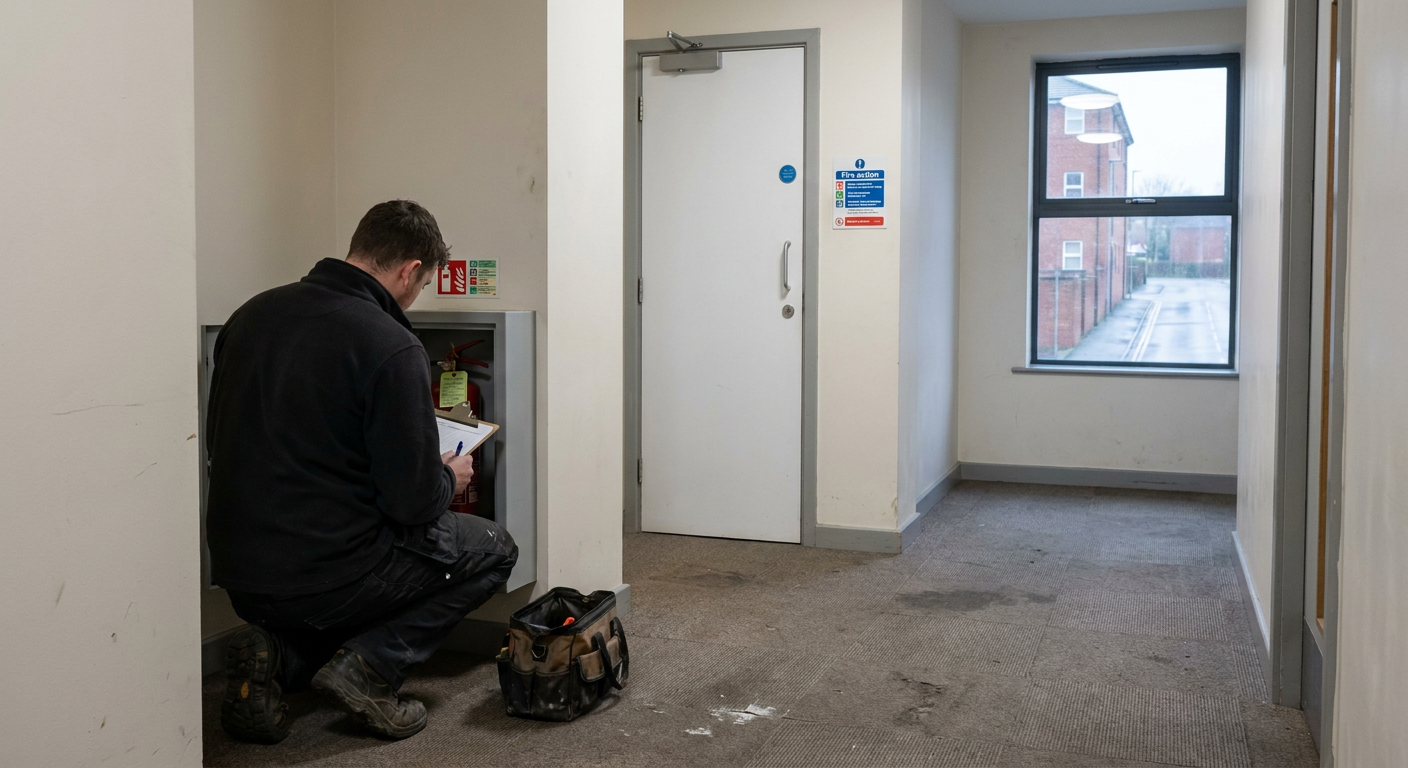
Who does the work
- Weekly tests in house
- A nominated person or staff member follows a checklist.
- Specialist servicing visits
- A third-party technician with the right tools and training.
Frequency
- Weekly tests in house
- Every seven days, usually on the same day each week.
- Specialist servicing visits
- Monthly, six-monthly or annual intervals depending on the system.
Record keeping
- Weekly tests in house
- Noted in a logbook kept on site for inspection.
- Specialist servicing visits
- A service certificate issued after each visit.
A specialist reviews the building and advises which tasks suit in-house staff and which require external servicing.
Fire safety equipment testing and maintenance advice
A weekly call point test confirms the alarm sounds throughout the building. The result goes on a weekly alarm test record sheet so there is a clear history if anyone asks to see it.
Extinguisher service intervals UK regulations set out depend on the type of unit. Water and foam units follow one schedule; powder and CO2 follow another. A specialist tracks these dates.
A specialist firm handles fire safety equipment testing and maintenance advice in Tunbridge Wells, checking alarms, extinguishers and emergency lighting. They review what you already have against your fire risk assessment so you know exactly what your home needs.
Alarm servicing advice West Kent firms rely on starts with identifying the category of the installed system. A small shop needs less than a large office block, but both need records.
Fire safety equipment testing and maintenance advice in Tunbridge Wells covers everything from the panel on the wall to the extinguishers by the doors. Each part has its own interval.
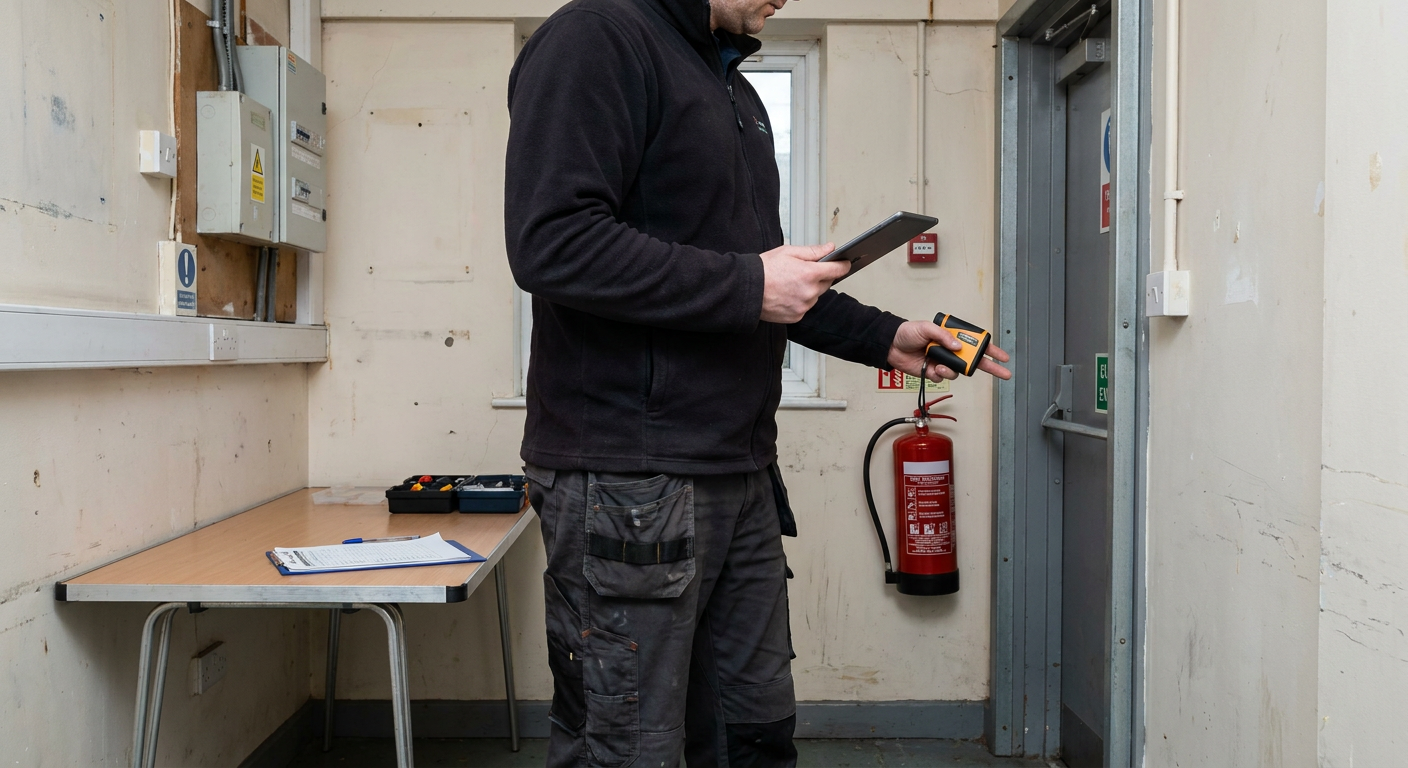
What you receive after the visit
Testing produces evidence. The specialist records what was checked, what passed, what failed, and what needs doing next. You keep that record as proof of maintenance.
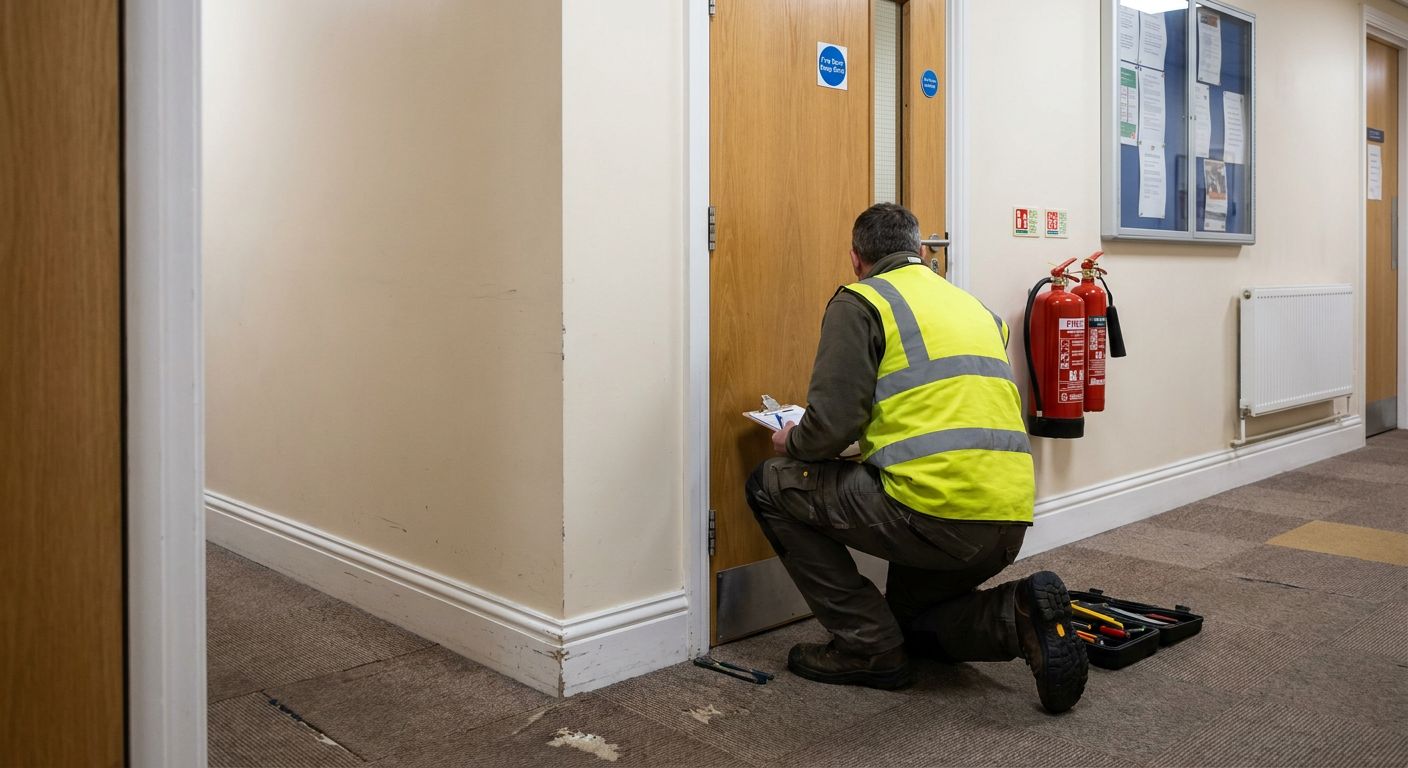
- Service report
- Lists every item tested during the visit, records its current condition and notes any faults the specialist found so the responsible person knows exactly what needs attention next.
- Maintenance schedule
- Sets out when each piece of equipment needs attention next, based on manufacturer guidance and statutory intervals, so maintenance stays on schedule throughout the year without gaps forming.
- Updated logbook entries
- Adds the latest test results to the running record kept on site for inspection, giving a continuous history that shows fire safety equipment has been maintained as required.
Questions about testing and maintenance
How often should fire extinguishers be serviced and who can do it?
Basic service happens annually. Extended service intervals depend on the extinguisher type: water and foam at five years, CO2 at ten. Who tests fire extinguishers matters too. A competent person with specific training and the correct tools must carry out the work, rather than someone handling it casually.
Who should carry out the weekly call point test and how do I record it?
A responsible person or a nominated staff member breaks the glass or presses the test point, checks the sounders operate, and resets the panel. They then note the date, time, and call point used on a weekly alarm test record sheet kept inside the fire logbook.
Does emergency lighting need a monthly flick test and an annual drain down?
Yes. Emergency lighting testing frequency requires a brief monthly function check to confirm the lamps light up when mains power is cut. Once a year, the batteries must run down fully to prove they last for the required duration, typically three hours.
What goes in a fire logbook and how long should we keep it?
Fire logbook what to record includes weekly alarm tests, extinguisher services, emergency lighting checks, false alarms, and any repairs. Keep the logbook for the life of the building or until the responsible person changes, then hand it over.
Do I need a service contract or can checks be done in house?
Weekly tests are done in house. Annual servicing of alarms and extinguishers requires a competent technician. Many buildings use a contract to ensure nothing is missed, though individual visits can be booked instead.
How do I know if my alarm category is right for my building?
The category depends on the fire risk assessment and the building layout. A specialist compares the existing system against current standards and advises whether it matches the level of protection the premises requires.
What testing does a small shop with a few extinguishers really need?
Even a small shop needs weekly alarm tests, annual extinguisher servicing, and monthly emergency lighting checks. Fire extinguisher testing Tunbridge Wells specialists handle shops of all sizes and advise on exactly what applies to yours.
Can you review what we already have and tell me what is missing?
A specialist firm can inspect the existing equipment, check the logbook, and identify gaps. They will advise on anything absent or overdue so the maintenance regime meets current requirements.
What affects the cost of testing
Every building has different equipment, layouts, and access needs. The amount of work determines the time spent on site, so costs vary between jobs.
| What it depends on | Why it matters |
|---|---|
| Number of devices | More extinguishers, call points, or lights mean more items to check and record individually. |
| System complexity | Addressable alarm panels take longer to test than simple conventional systems with fewer zones. |
| Building access | Equipment spread across locked rooms or high ceilings adds time to the visit. |
| Logbook condition | A missing or incomplete logbook means the specialist must establish the baseline history from scratch. |
The specialist explains the cost of the particular job before anything is agreed.
Areas covered for equipment testing
Enquiries are taken for homes and commercial buildings in Tunbridge Wells. Specialist firms travel across the town and into surrounding parts of West Kent to carry out the physical testing and maintenance visits.
If your street or village is not listed, send an enquiry anyway. Coverage often extends further than the named towns.
Ask about testing your equipment
Describe the building and what equipment you have. The details go to a specialist firm who will reply with advice on what needs checking. Sending an enquiry does not commit you to booking anything.
- No obligation to proceed
- Free initial advice
- Local specialists only