Tunbridge Wells
Christmas decorations fire safety in the office
Send an enquiry about your seasonal setup and find out what a specialist can check before December. There is no charge for asking, and no obligation to book anything.
Christmas decorations fire safety office guidance
Stock, lights and extra staff change the risk picture in December. Find out what to look for before the busiest trading weeks start, and what a specialist will check when they walk through your premises.
Why the risk picture changes in December
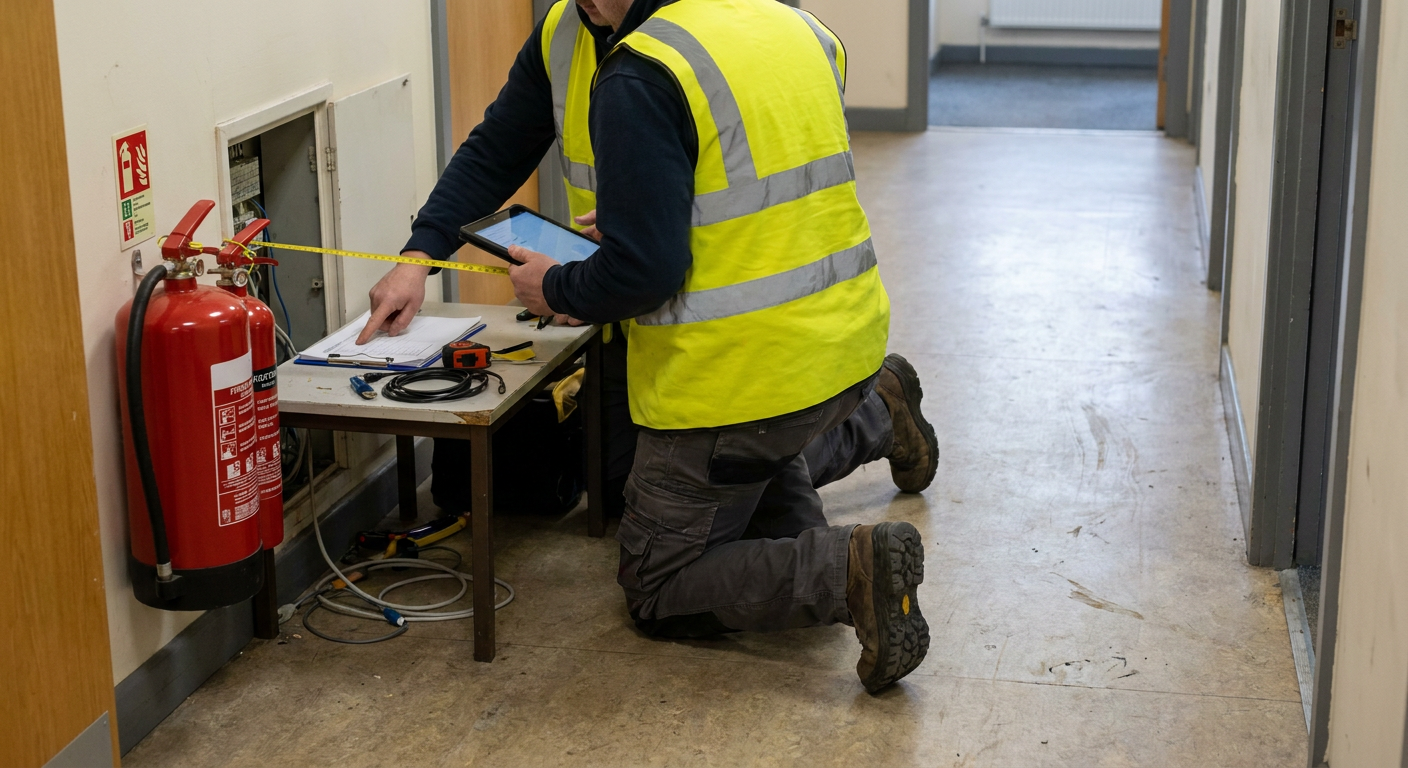
A shop or office in Tunbridge Wells looks different in the weeks before Christmas. Extra stock arrives, displays go up on walls and counters, and lighting is draped across windows. Each addition changes how fire spreads and how people leave. Thinking about christmas decorations fire safety office arrangements means looking at the whole floor plan again, not just the tree in the corner.
The busy trading period brings more people through the door, including seasonal staff who have never walked the escape routes. A retail fire risk assessment update is often needed because the layout that worked in August may no longer meet the requirements once cardboard boxes fill the back room and festive lighting safety at work becomes a daily concern rather than a one-off task.
Under the [Responsible Person Fire Safety Duties: Tunbridge Wells](/what-the-law-asks/responsible-person-duties-tunbridge-wells), the person in charge must keep the assessment current. Putting up decorations counts as a material change if they alter escape routes, add ignition sources or block detection equipment. The question of whether a claim would be affected if a fire started in a seasonal display comes down to whether reasonable steps were taken beforehand.
Keeping exit routes clear when the stockroom is full
Shops in the Pantiles and along the high street often run out of storage space by mid-December. When the stockroom overflows, boxes migrate into corridors, stairwells and the space behind fire doors. Seasonal stock blocking fire exits is one of the most common problems a specialist finds during a December walk-through.
If your shop fills up with stock, the answer is not to squeeze more into the hallway. The escape route width is set by the number of occupants and the travel distance to a final exit. Read more about [Escape routes and travel distances in small offices](/stories/escape-routes-and-travel-distances-in-small-offices) to see how those measurements apply to smaller retail units.
Where stock must wait before going onto the shop floor, it needs a designated holding area that does not narrow the route below the required width. Fire exit clearance busy period planning means deciding this before the deliveries start, not after the corridor is blocked. A [Fire Evacuation Plans in Tunbridge Wells: What to Include](/what-we-cover/fire-evacuation-plans-tunbridge-wells) review will show where the pinch points are and whether temporary storage is permissible at all.
Checking lighting, displays and electrical leads
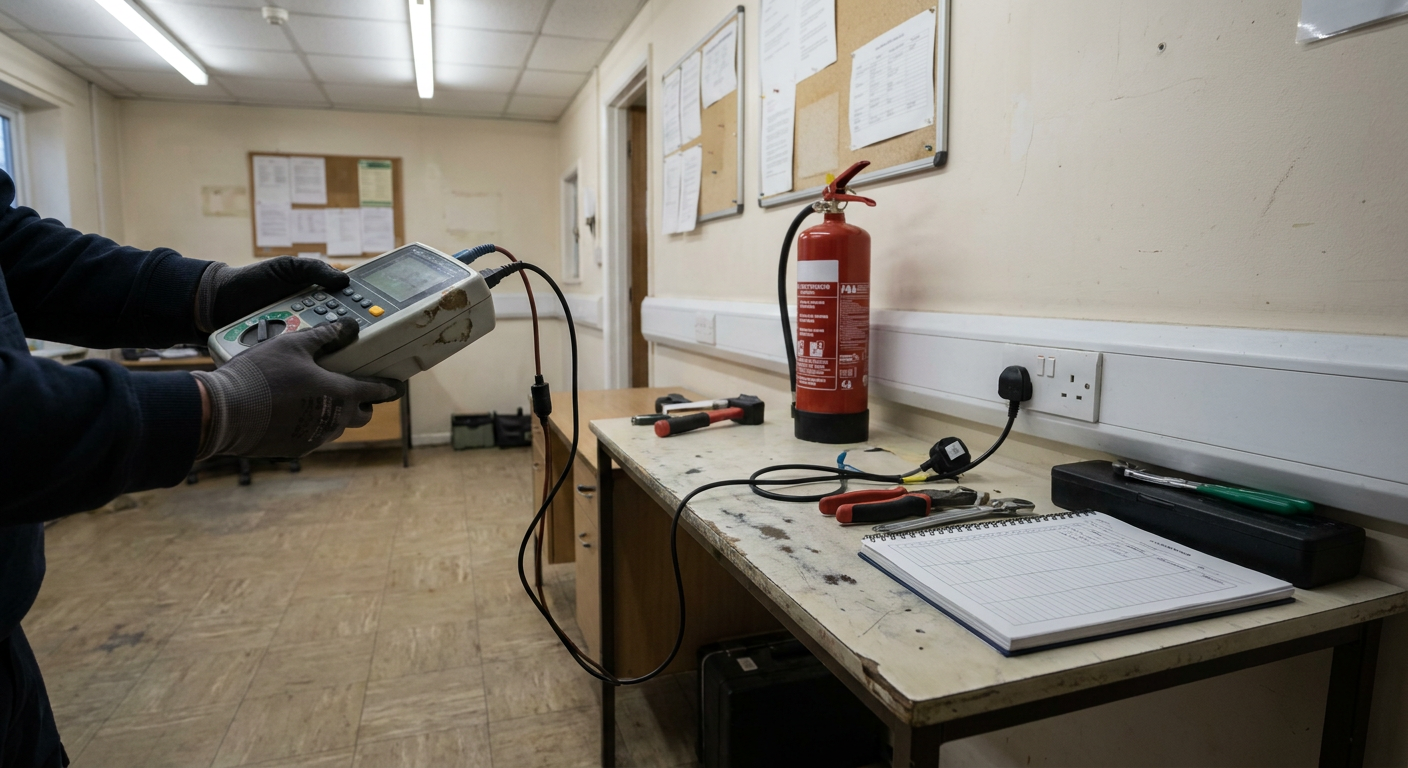
Festive lighting safety at work starts with the wiring before any decoration goes up. Extension leads daisy-chained together, cables running under carpets and plug sockets overloaded with fairy lights create faults that stay hidden until something burns. Every length of lighting needs checking for frayed insulation, cracked plugs and missing earth pins. Battery-operated lights remove the electrical hazard entirely and suit window displays near curtains or paper goods.
Displays made from tissue paper, dried foliage or untreated fabric burn fast. Position them away from heat sources such as spotlights, heaters and halogen bulbs. Christmas display safety retail practice means treating every decorative item as potential fuel and placing it accordingly. An assessor carrying out a [Fire Risk Assessment Tunbridge Wells](/what-we-cover/fire-risk-assessment-tunbridge-wells) visit will note combustible materials near ignition points and recommend alternatives.
Decorations hanging near detectors or sprinkler heads cause two separate problems. Tinsel draped over a smoke detector delays the alarm; garlands looped around a sprinkler head block the spray pattern if the system activates. Keep all decorations well clear of ceiling-mounted equipment.
Decorations near detectors and sprinkler heads
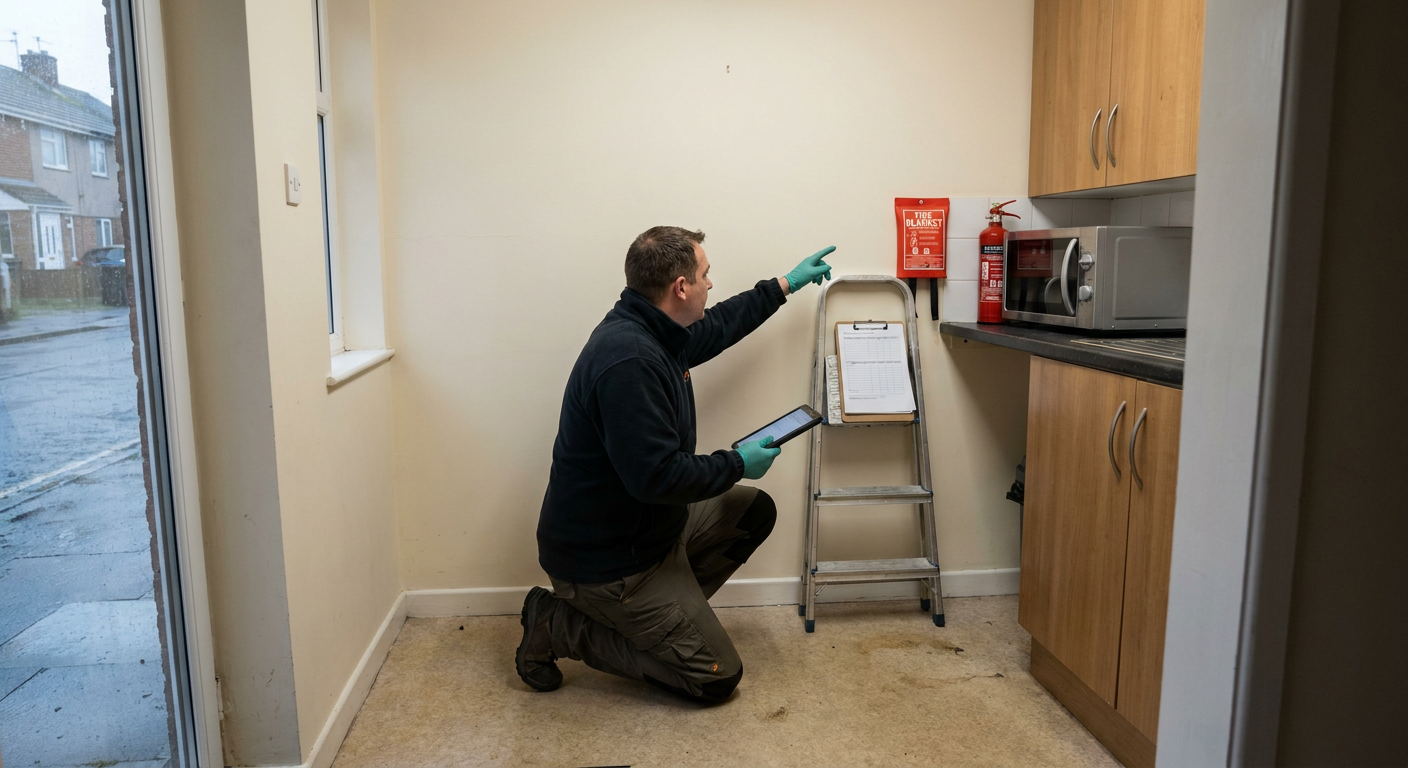
Smoke detectors and sprinkler heads need an unobstructed view of the room. Hanging tinsel, garlands or banners across a ceiling-mounted detector delays its response. Draping material over a sprinkler head prevents water from reaching the fire in the pattern it was designed to cover.
What to do about decorations hanging near these devices is straightforward: keep them clear. The manufacturer specifies a minimum distance, usually half a metre for smoke detectors and more for sprinklers. If a display requires something suspended from the ceiling, it must be positioned so that no part of it falls within that zone.
This applies to temporary installations as much as permanent ones. A wreath hung from a pipe that happens to hold a sprinkler head is still an obstruction. During a [Compartmentation Surveys in Tunbridge Wells: Flats and HMOs](/what-we-cover/compartmentation-survey-tunbridge-wells) inspection in mixed-use buildings, specialists often find that retail units on the ground floor share detection systems with flats above, making interference with detectors a problem for multiple occupiers.
Seasonal staff and evacuation arrangements
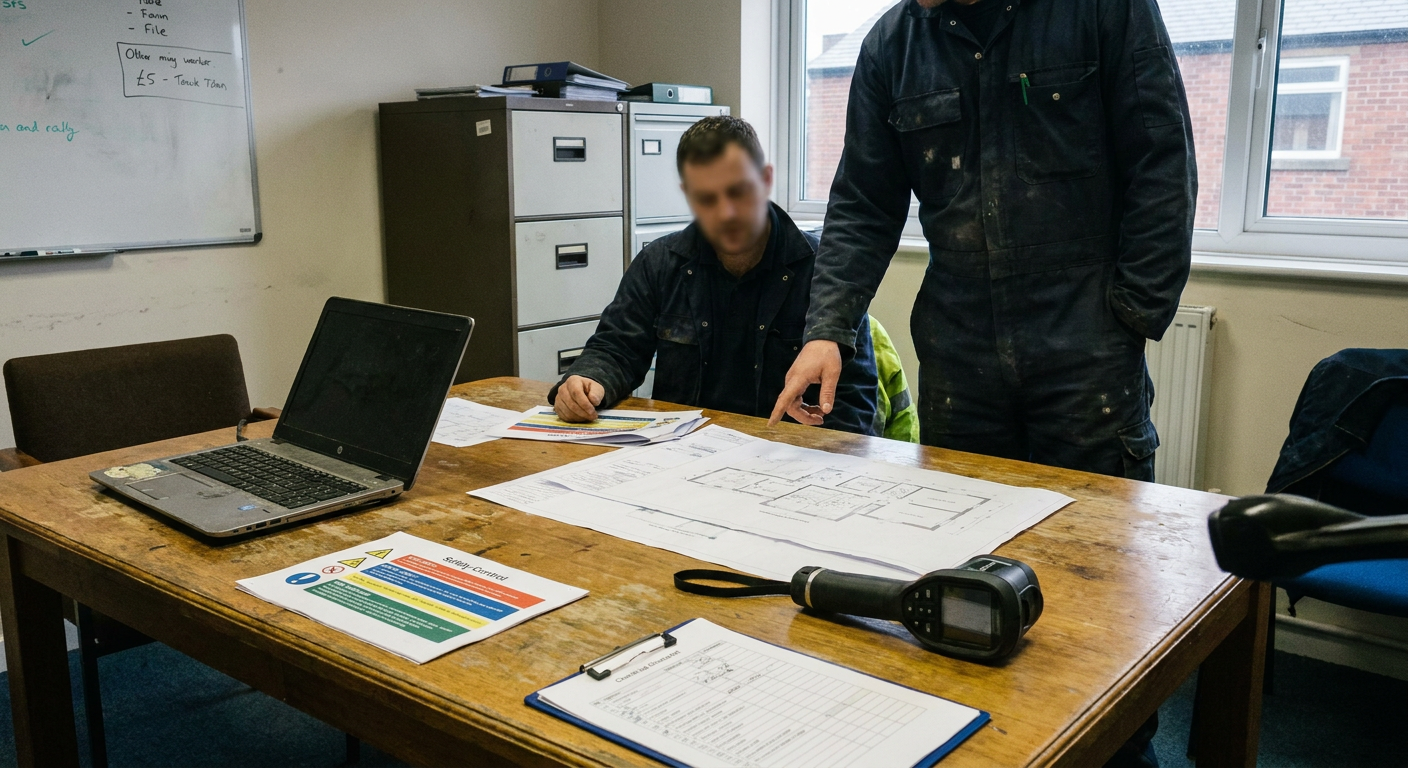
Extra staff hired for December rarely receive the same induction as permanent employees. They may not know where the assembly point is, which door to use, or who the fire warden is. How extra seasonal staff fit into evacuation arrangements depends on briefing them before their first shift ends.
A short session covering alarm sounds, exit locations and the rule against stopping to collect personal belongings takes very little time. [Fire Safety Awareness Training in Tunbridge Wells for Staff](/what-we-cover/fire-safety-awareness-training-tunbridge-wells) can be arranged as a standalone session for temporary workers. If the premises already has trained wardens, a [Fire Warden Training in Tunbridge Wells: Roles and Duties](/what-we-cover/fire-warden-training-tunbridge-wells) refresher ensures they know how many additional people they are now responsible for counting out.
The evacuation plan itself may need adjusting. More bodies in the building means longer clearance times through narrow doors. The plan should reflect the maximum occupancy expected during the busiest week, not the quiet Tuesday in March when it was last tested.
Arranging a walk-through before the busy period
A specialist can walk the premises with the responsible person before the peak trading weeks begin. This visit looks at the actual conditions: the stock levels, the decorations, the cable runs and the staffing numbers. It takes roughly the same time as a standard assessment visit, depending on floor area and complexity.
During the walk, the assessor checks whether [Fire Door Inspection in Tunbridge Wells: What to Check](/what-we-cover/fire-door-inspection-tunbridge-wells) reveals doors wedged open to make carrying boxes easier, a habit that appears constantly in December. They also verify that [Fire Extinguisher Testing Tunbridge Wells: Alarm Checks](/what-we-cover/fire-alarm-and-extinguisher-testing-advice) records are current and that extinguishers have not been moved behind stacked goods.
To arrange this, send an enquiry describing the premises and the planned changes. Find out [How to Arrange a Fire Risk Assessment in Tunbridge Wells](/how-enquiries-work/how-we-work-tunbridge-wells) and what information helps the specialist prepare. Whether the building is in the town centre or further out toward [Tonbridge](/west-kent/tonbridge) or [Penshurst](/west-kent/penshurst), the process is the same.
Signs your seasonal setup has changed the risk
Adding christmas decorations fire safety office arrangements shifts the layout of a home or workplace. Extra stock, seasonal lighting and temporary displays change how people move through rooms. The original fire precautions were written for a normal working week, so they stop matching what is actually there during December.
- 1
Boxes narrowing the corridor
Stacked delivery boxes reduce the walking width of a corridor or stairwell, potentially slowing everyone down during an alarm.
- 2
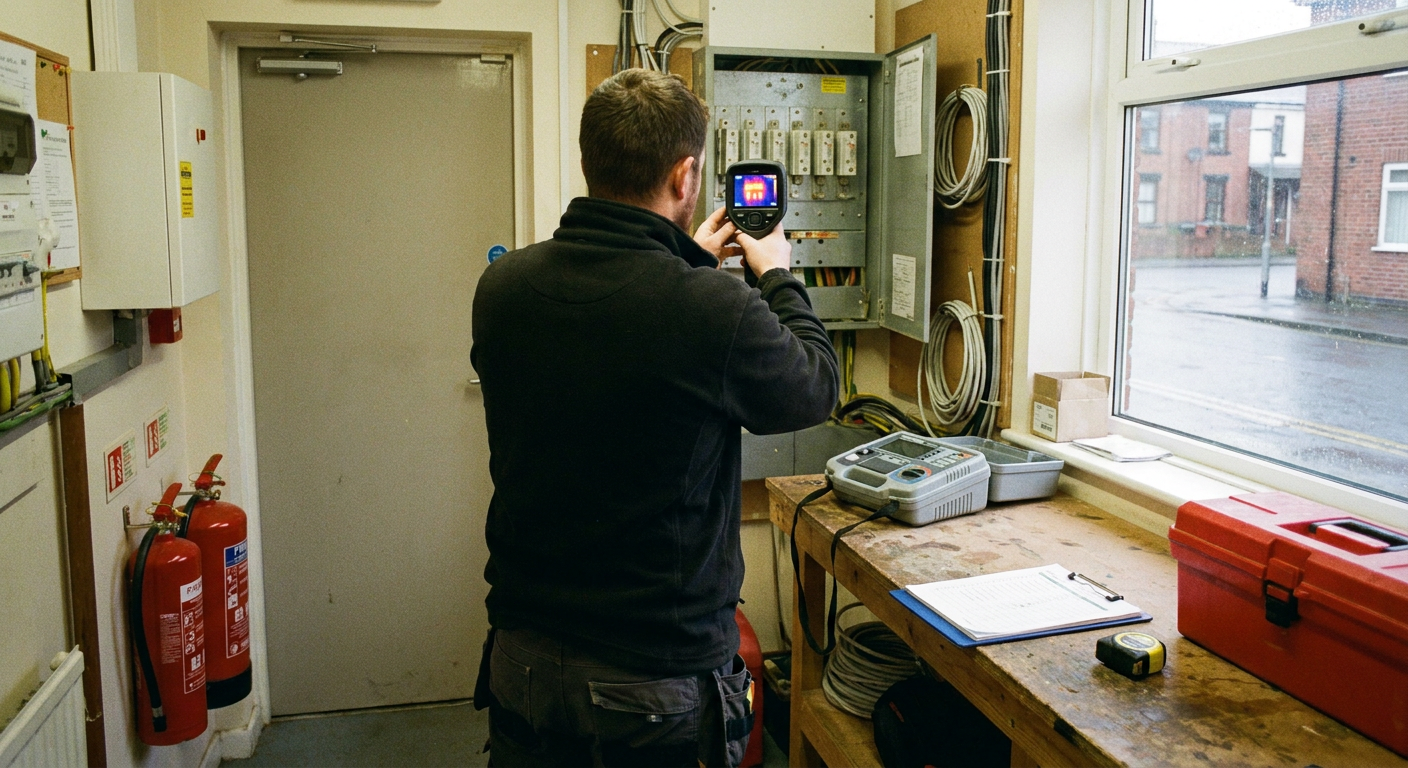
Lights sharing one socket
Fairy lights plugged into a single adaptor or trailing lead that exceeds its rated electrical load.
- 3
Garland over a ceiling device
Decorative draping touching or covering a smoke detector or sprinkler head, restricting its ability to sense heat or smoke.
- 4
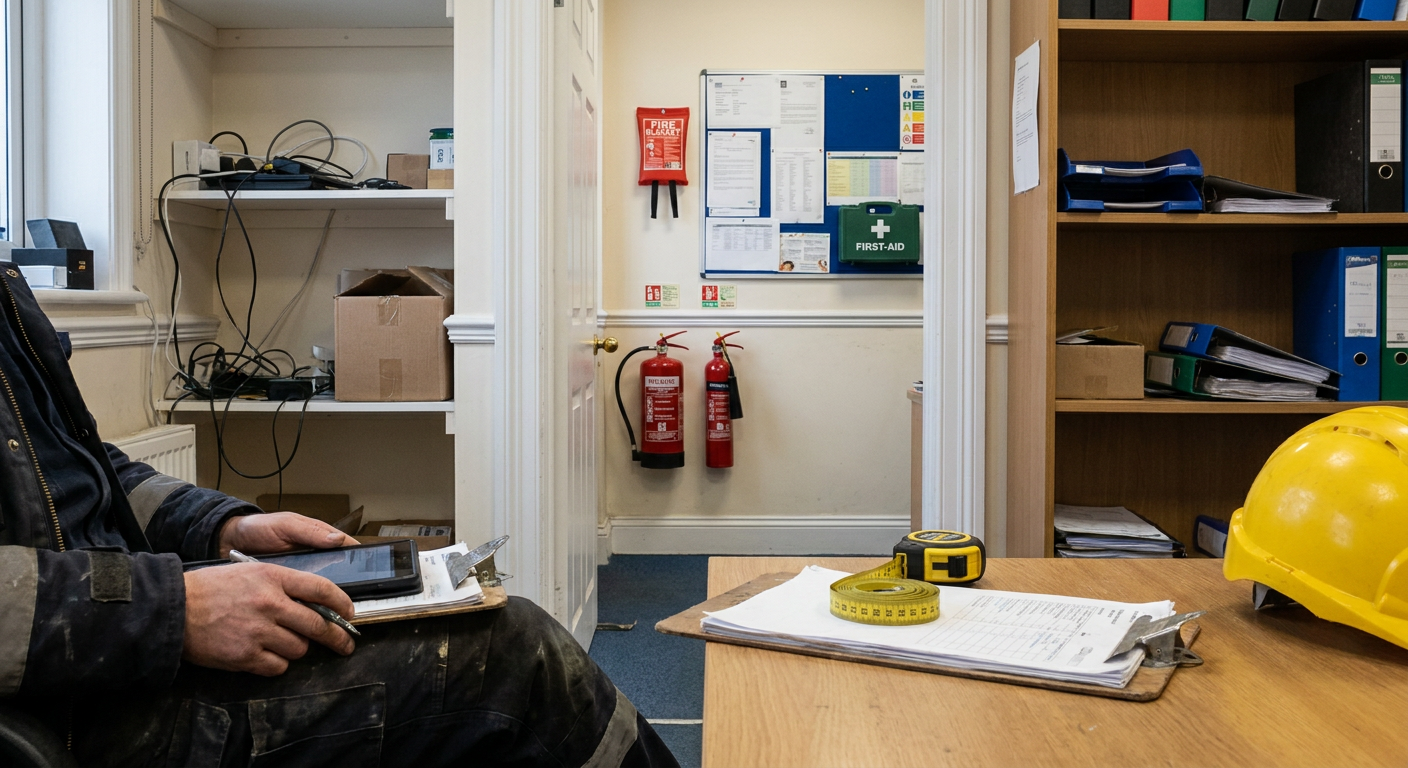
New staff unsure of exits
Temporary workers who cannot point to the nearest fire exit without hesitation, suggesting the induction has not covered routes.
- 5
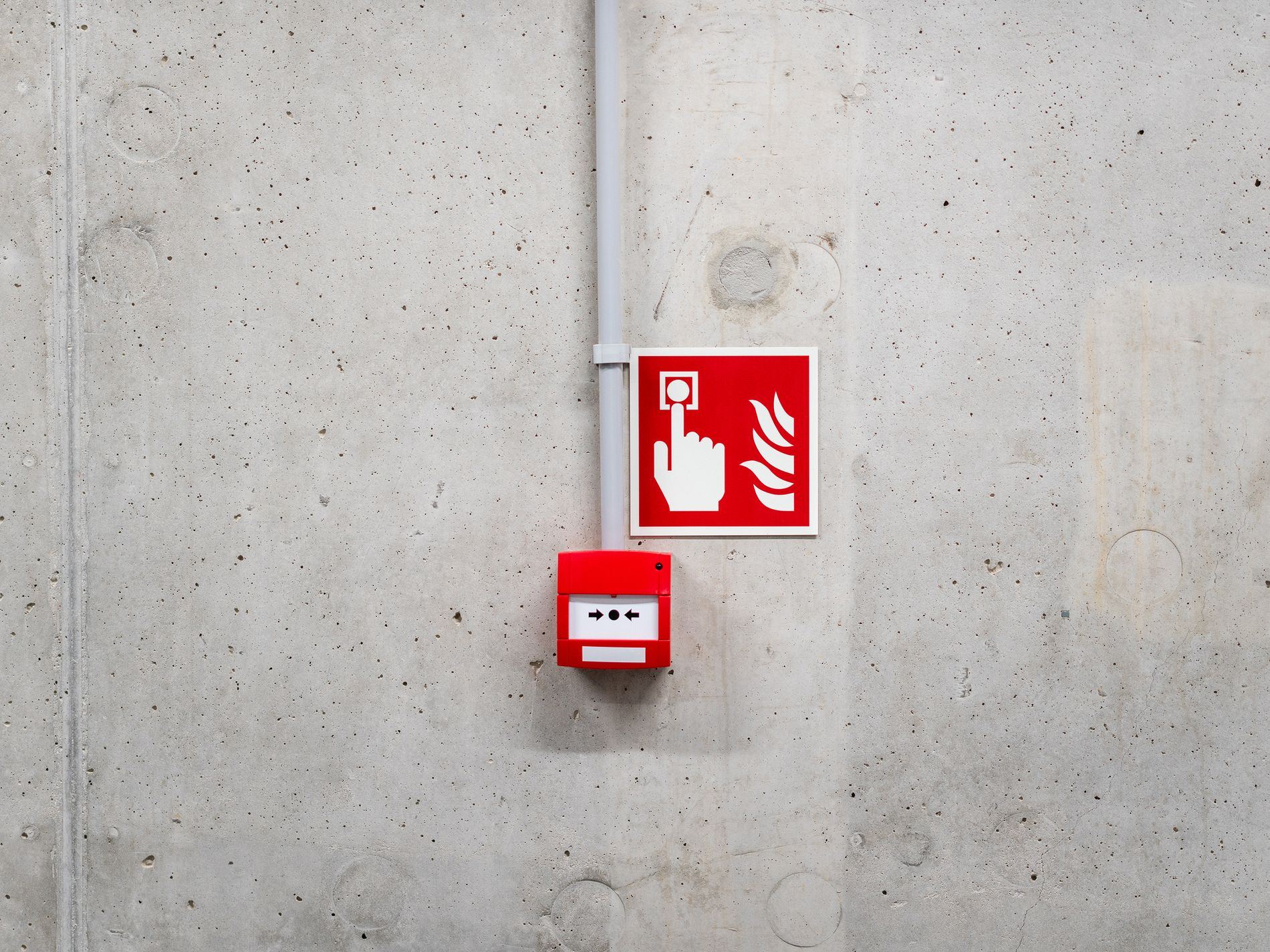
Fire door propped open
A self-closing fire door held open with a wedge or box to ease movement of stock, removing its function as a barrier.
Steps before the December rush
- 1
Review the floor plan
Compare the current layout against the existing escape route plan to spot new obstructions or narrowed corridors.
- 2
Check electrical items
Inspect all seasonal lighting and extension leads for damage before plugging anything in.
- 3
Brief temporary staff
Run a short evacuation briefing for every seasonal worker before their first shift begins.
- 4
Book a specialist visit
Send an enquiry so an assessor can walk the premises while the seasonal setup is in place.
Get your seasonal setup checked
Send details of your premises and what you plan to put up. A specialist will read it and reply with what they can do. Sending an enquiry does not commit you to booking.
- No obligation to proceed
- Free initial discussion
- Local to Tunbridge Wells