Tunbridge Wells
Responsible person fire safety duties in Tunbridge Wells
Find out what the law expects of you and how to arrange a fire risk assessment in Tunbridge Wells without paying anything upfront. Send your details and a specialist firm will respond.
Responsible person fire safety duties in Tunbridge Wells
Who the Fire Safety Order names as responsible
The Regulatory Reform (Fire Safety) Order 2005 fixes the duty on whoever controls the premises. In most cases, that means the employer if people work there, or the owner if it is let out. The law calls this figure the responsible person, and their responsible person fire safety duties start the moment they take control.
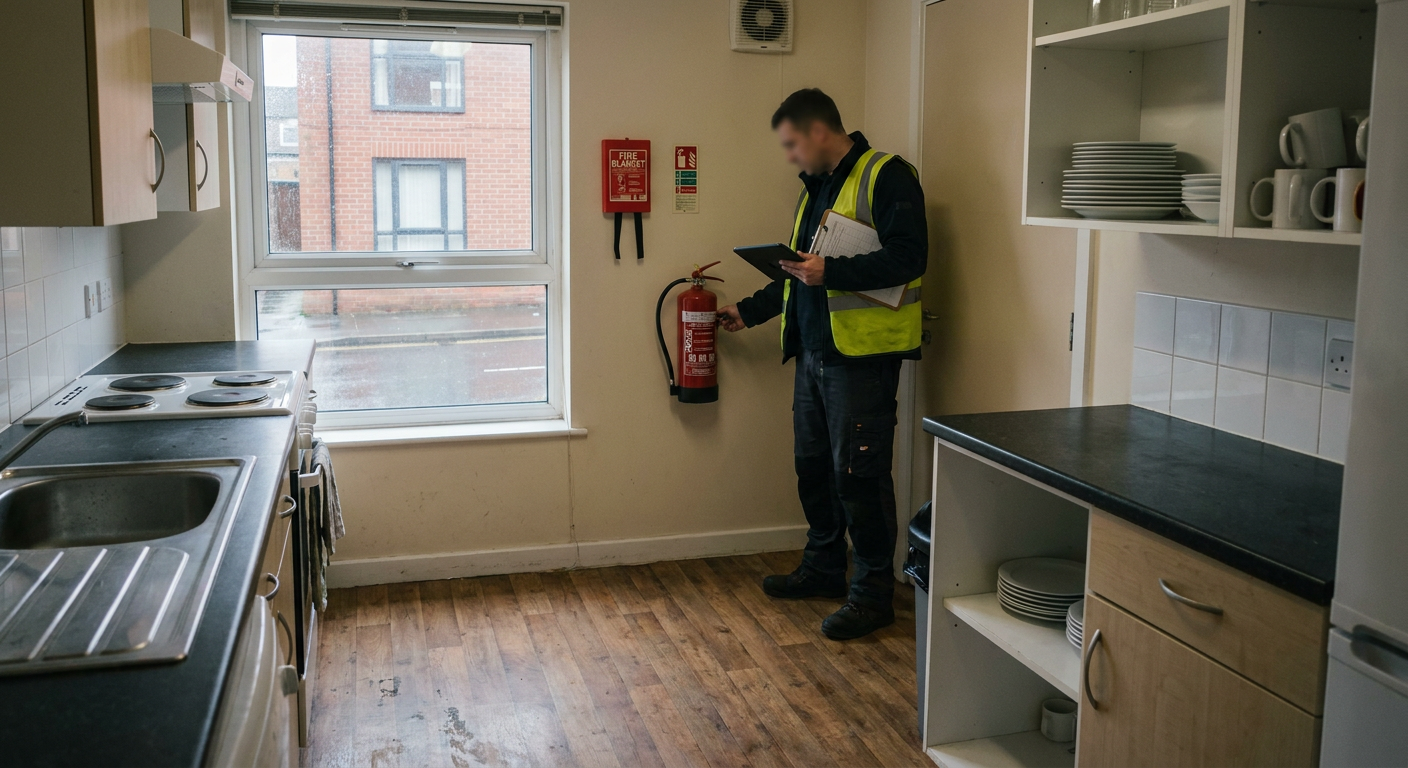
A freeholder who lets flats in Tunbridge Wells holds this duty for the common parts. A managing agent might handle the day-to-day work, but the legal obligation stays with the person who owns or controls the building. You cannot pass the responsible person duty to a managing agent by signing a contract. The agent acts on behalf of the duty holder, so the freeholder remains answerable if things go wrong.
Landlord fire safety responsibilities in Kent follow this same rule. Whether the building is a converted Victorian house on Mount Pleasant Road or a purpose-built block near the station, the person who owns the structure or controls the shared areas carries the burden. A competent person in fire safety can carry out the technical work, but the duty itself does not transfer.
Shared buildings and split responsibilities
Where a shop leases the ground floor and the freeholder owns the flats above, the duties split along those lines. The shop tenant becomes the fire safety order duty holder for their unit. The freeholder remains responsible for the stairwell, lobby and any shared escape routes. This arrangement creates shared building fire duties that both sides must manage together.
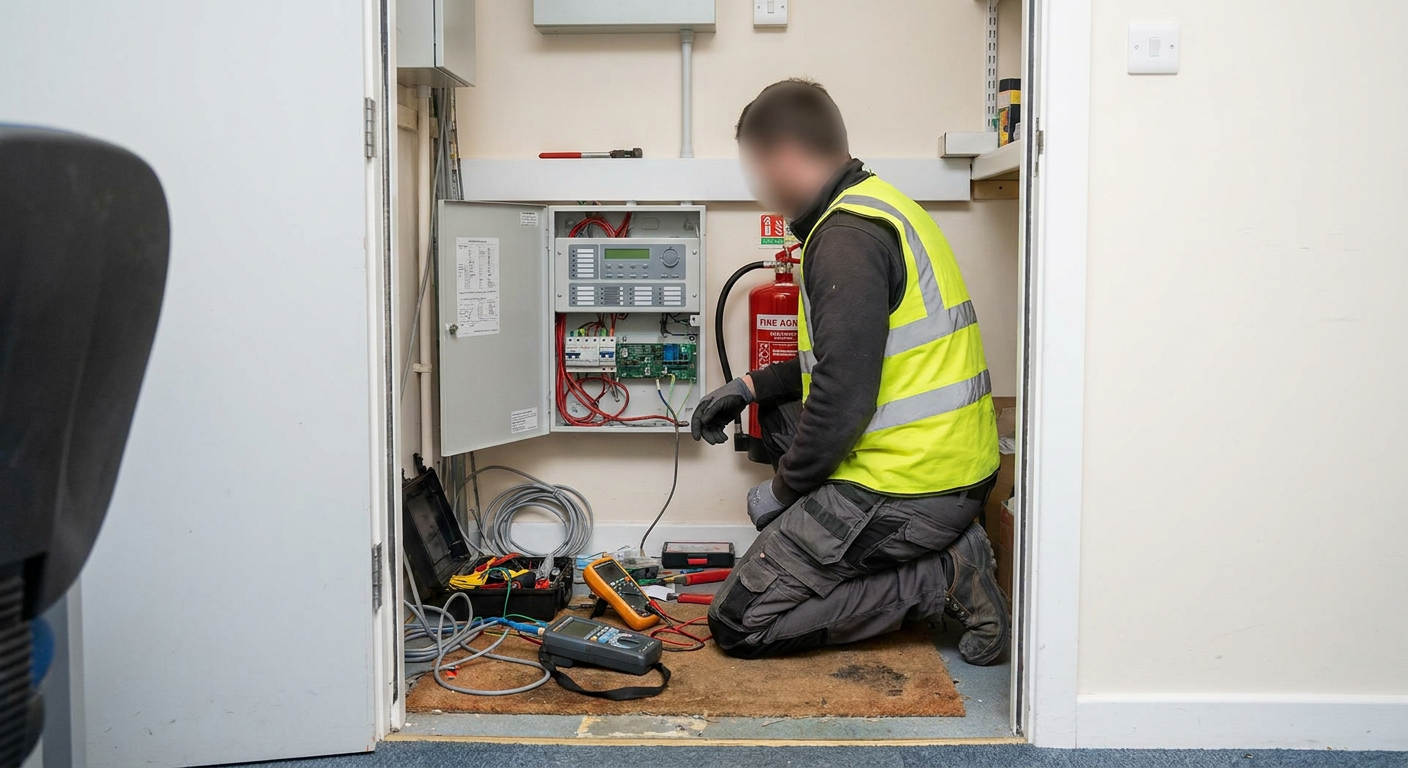
Cooperation is a legal requirement, not a courtesy. Each duty holder must tell the others about risks that cross boundaries. A blocked fire exit in the shop affects the residents upstairs. A faulty alarm panel in the hallway matters to everyone. To show cooperation has happened, keep written records of meetings, emails and agreed actions. If the fire service inspects, they will ask to see proof that the parties have spoken and acted on what they found.
Flats above shops present particular challenges because the commercial use below changes the risk profile for the homes above. Specialist firms can survey these mixed-use buildings and produce a [fire risk assessment](/what-the-law-asks/flats-above-shops-tunbridge-wells) that accounts for both occupancies.
What a new freeholder should put in place first
Buying a building in Tunbridge Wells means inheriting its fire safety record, or the lack of one. The first step is establishing whether a valid assessment exists. If it does not, arranging one immediately is necessary because the duty applies from the day ownership transfers. Personal liability falls on the individual or company named as the responsible person, and failing to hold an assessment leaves them exposed to enforcement action.
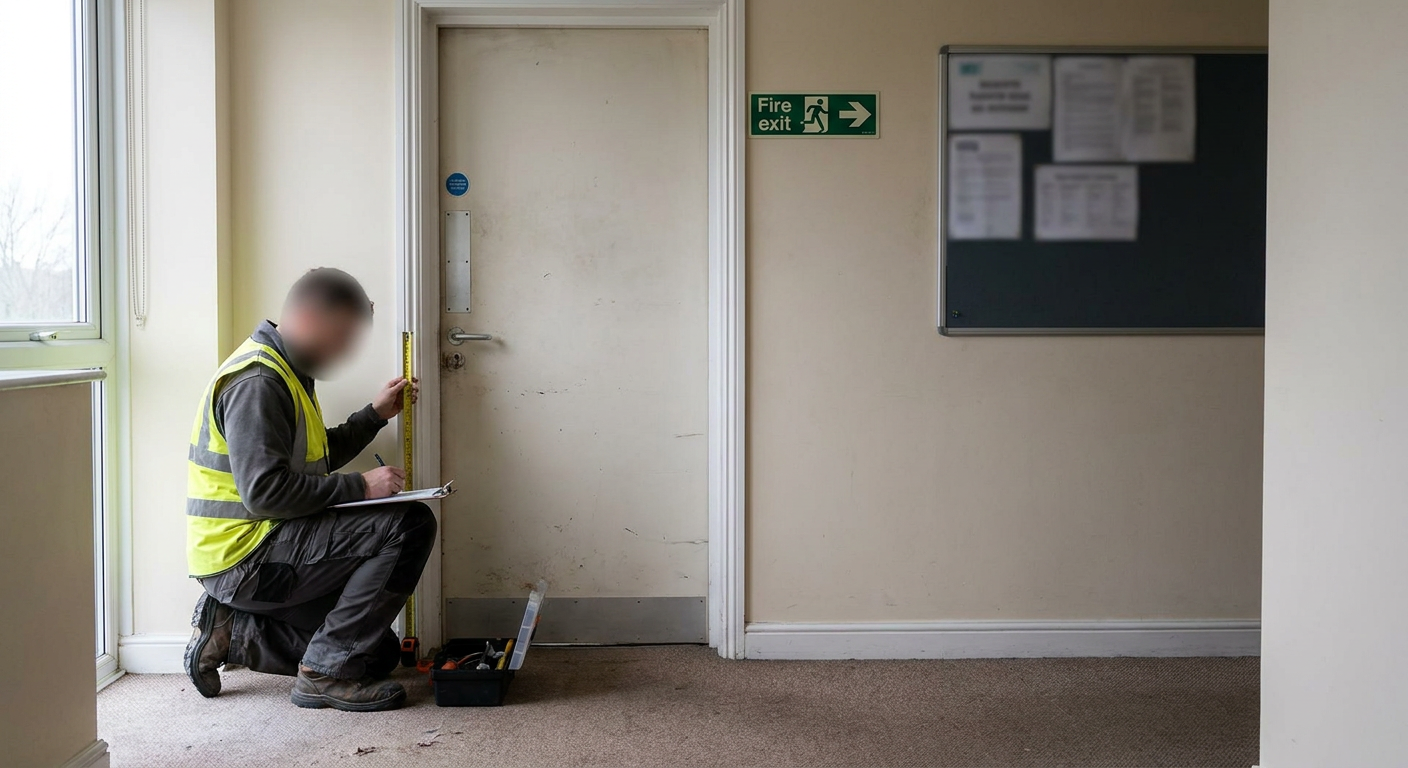
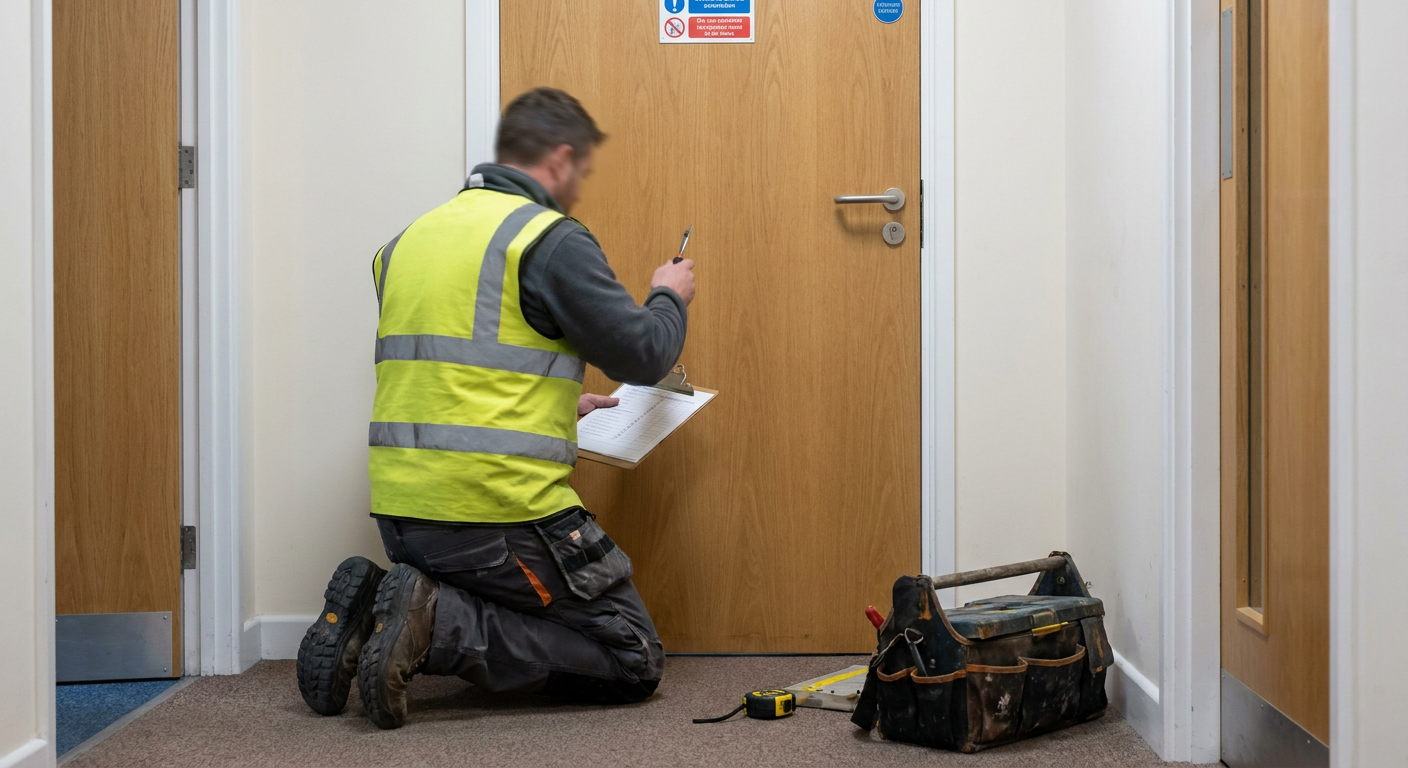
Once the baseline is known, the next tasks follow logically. Check the condition of fire doors separating flats and corridors. A specialist firm can carry out a [fire door inspection](/what-we-cover/fire-door-inspection-tunbridge-wells) to confirm they close properly and resist smoke. Review the compartmentation between units, since older conversions often have gaps where services were run through walls without being sealed again.
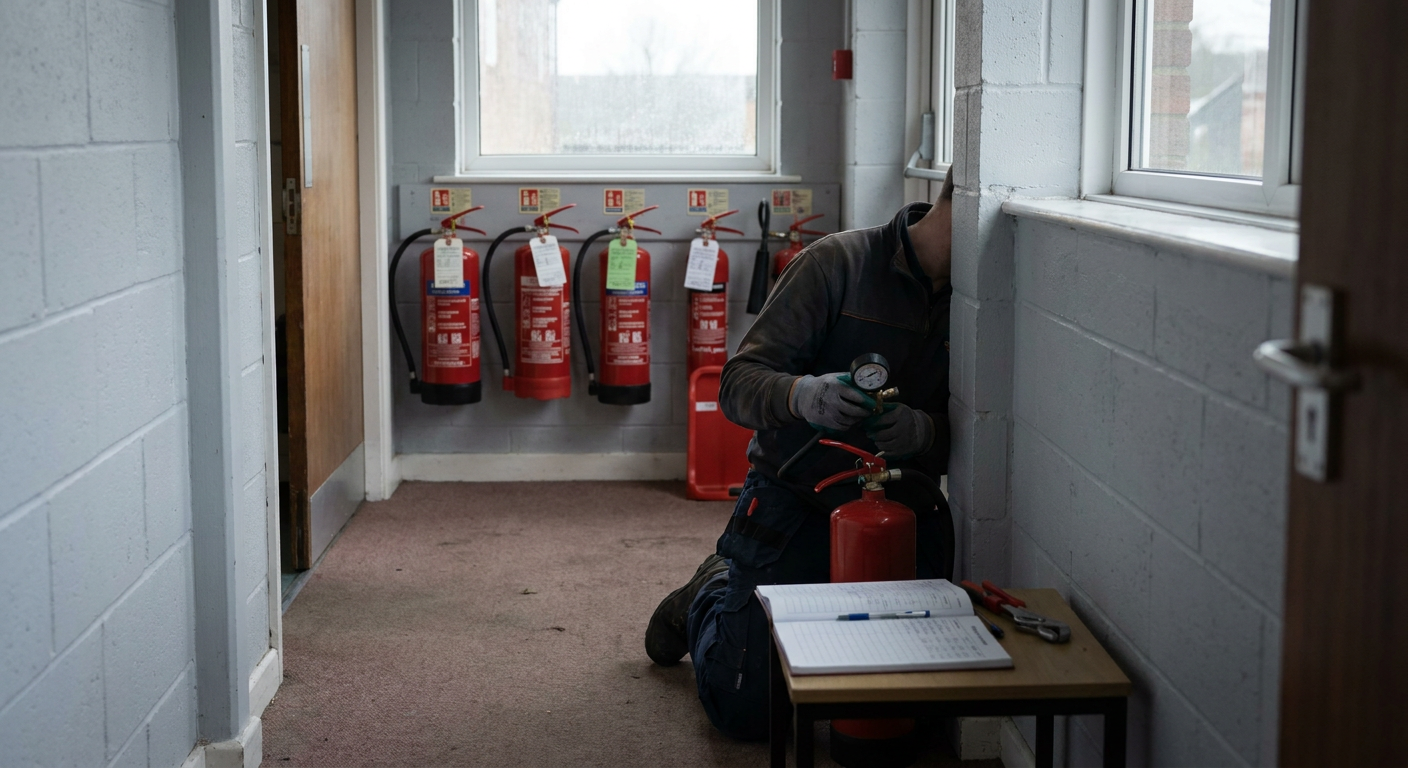
Put a maintenance schedule in place for alarms and extinguishers. The responsible person must ensure equipment works, which usually means hiring a specialist firm to test systems at set intervals. Finally, draft a written policy that sets out who does what, especially in buildings where multiple leaseholders share the cost of upkeep.
Small offices, sole traders and the law
A sole trader renting a small office still holds duties under the Order if they employ anyone or if members of the public visit. Even working alone, the landlord of the building retains responsibility for the common parts, but the tenant must manage risks inside their own space. The size of the business does not remove the obligation.
For a single room above a shop in the Pantiles or a small suite in a business park, the steps are proportionate. The tenant needs to know their escape route, keep it clear and ensure staff understand what to do if an alarm sounds. Where employees are present, basic [fire safety awareness training](/what-we-cover/fire-safety-awareness-training-tunbridge-wells) covers this requirement.
If the local fire authority visits, they will ask to see the assessment, evidence of staff training and maintenance records for any equipment within the tenant's control. They may also check that the building's overall strategy makes sense for how the space is used. A specialist firm can prepare a [fire strategy](/what-we-cover/fire-strategy-tunbridge-wells) document that ties these elements together for both landlord and tenant.
Enforcement and what inspectors look for
Kent Fire and Rescue Service enforces the Order across Tunbridge Wells. When an inspector arrives, they want to see that someone has thought about fire risk and acted on it. The first document they ask for is the fire risk assessment. Without one, the responsible person has already failed their primary duty.
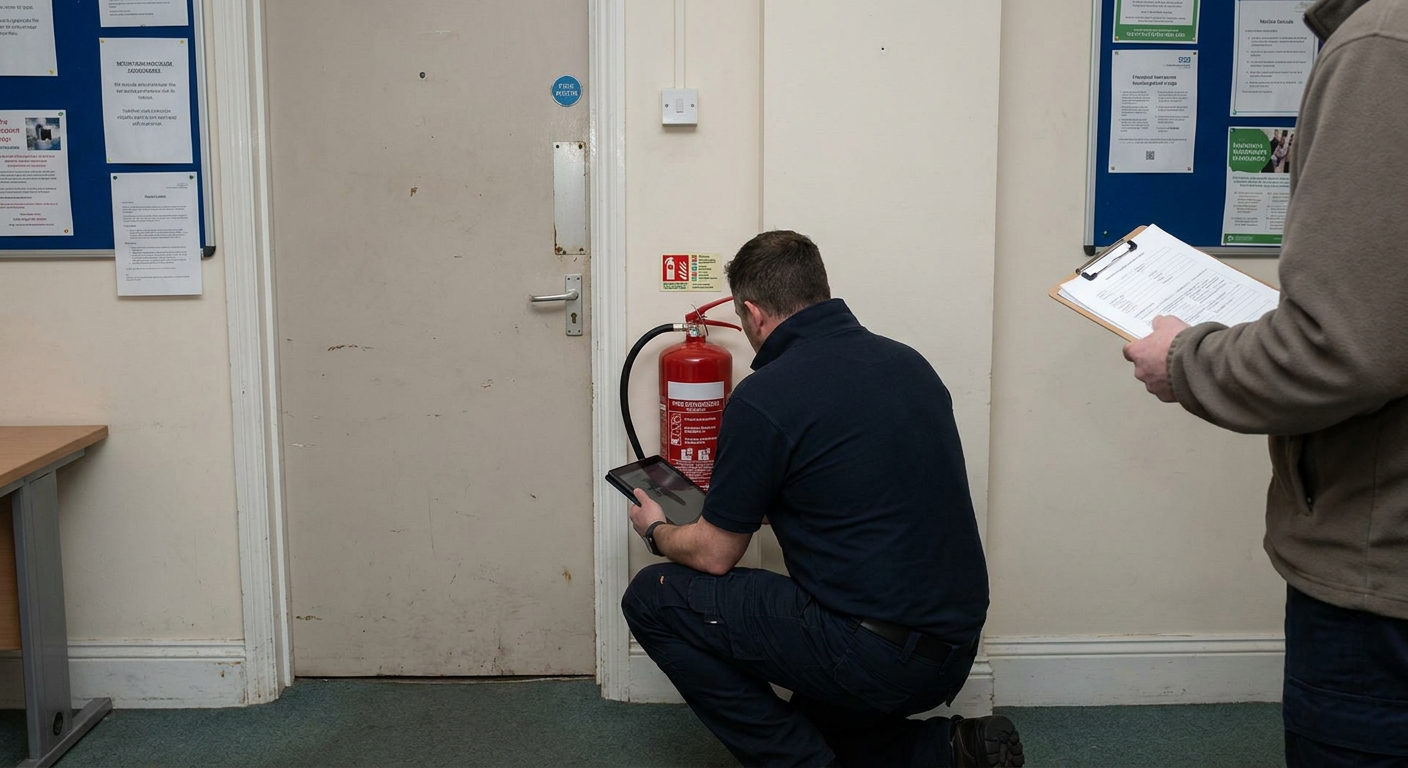
Beyond the assessment, inspectors check physical conditions. Do fire doors shut fully? Are escape routes unobstructed? Is emergency lighting working? They also look at management. Has anyone been appointed to coordinate evacuation? Do staff know the plan? In larger buildings, trained [fire wardens](/what-we-cover/fire-warden-training-tunbridge-wells) make the difference between an orderly exit and confusion.
If deficiencies are found, the inspector can issue an enforcement notice requiring specific work within a deadline. In serious cases, they can prohibit the use of part or all of the building. The responsible person faces personal prosecution if they fail to comply. Keeping records up to date and acting on recommendations from specialist firms prevents most enforcement situations from arising in the first place.
I am not sure who is responsible for fire safety here
Confusion over duty holders is common in buildings where ownership, management and tenancy overlap. The signs below suggest the roles have not been clearly defined or communicated.
- 1
No named contact for fire issues
Tenants raise concerns about alarms or exits but nobody in the building accepts ownership of the problem or arranges repairs.
- 2
Missing or outdated paperwork
No current assessment document exists, or the one on file refers to previous owners, old layouts or expired dates.
- 3
Disputes over repair costs
Freeholders and leaseholders argue about who pays for replacing damaged fire doors or servicing shared alarm panels.
- 4
Uncoordinated escape routes
Each flat or office has its own plan, but no single document shows how the whole building evacuates safely.
How the duty passes from one party to another
- 1
Identify the duty holder
The law assigns responsibility to whoever controls the premises. Ownership or employment status determines this.
- 2
Commission an assessment
A specialist firm evaluates the building, identifies hazards and records what needs to change.
- 3
Implement findings
The responsible person arranges repairs, installs equipment or updates procedures based on the report.
- 4
Maintain records
Keep documents current and available for inspection by tenants or the fire authority.
- 5
Review after changes
Any alteration to the building, its use or its occupants triggers a fresh look at the assessment.
Get clarity on your fire safety obligations
Send the details of your building and your role in it. A specialist firm will review the situation and explain what the law requires of you, with no obligation to proceed further.
- No upfront fees
- Local to Tunbridge Wells
- Clear written response