Tunbridge Wells
Fire safety advice for businesses in Tunbridge Wells
Send a short description of your premises to find out what the law asks of you. There is no charge for this initial conversation, and no obligation to book anything.
Fire safety advice for businesses across Tunbridge Wells
What happens during a visit, what the report contains, and how the specialist handles mixed-use buildings in the town centre.
What a fire risk assessment involves for a small business
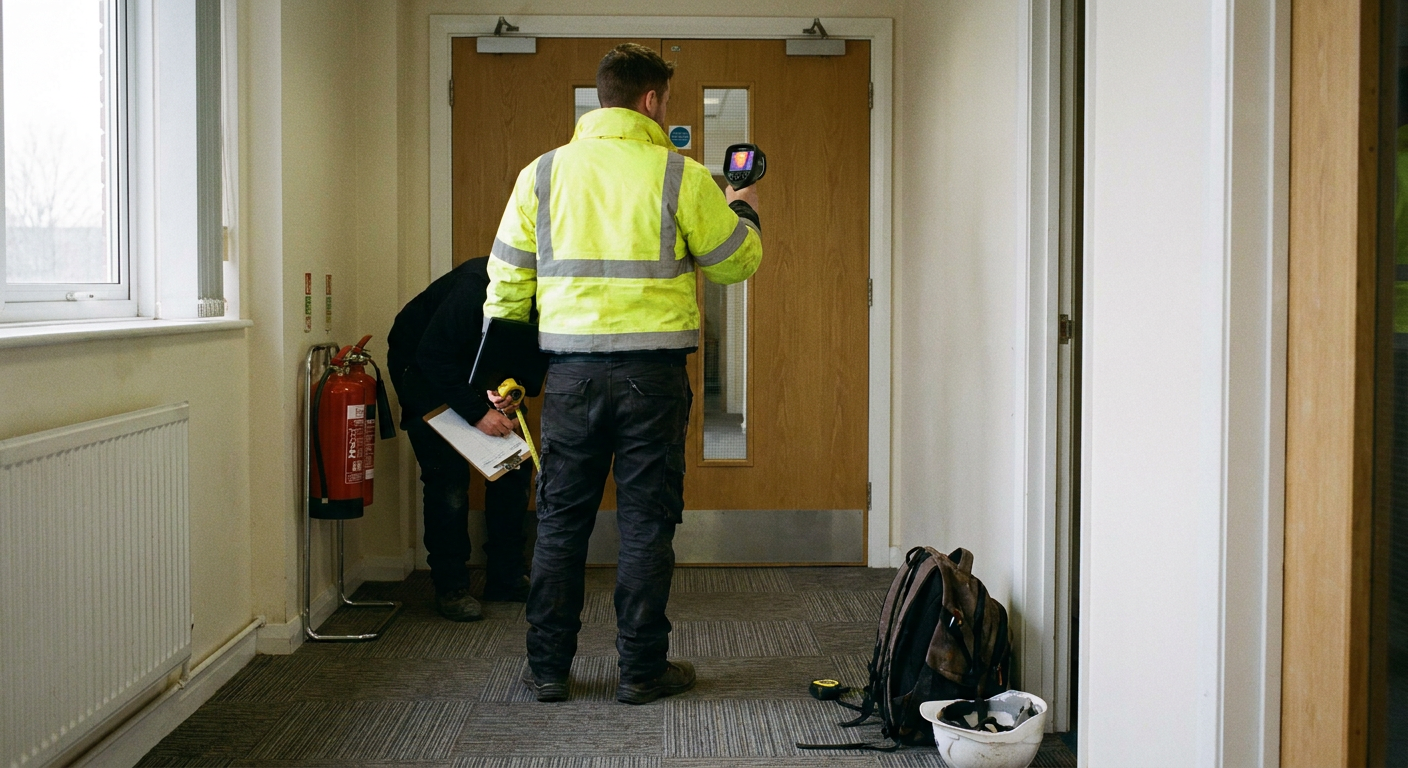
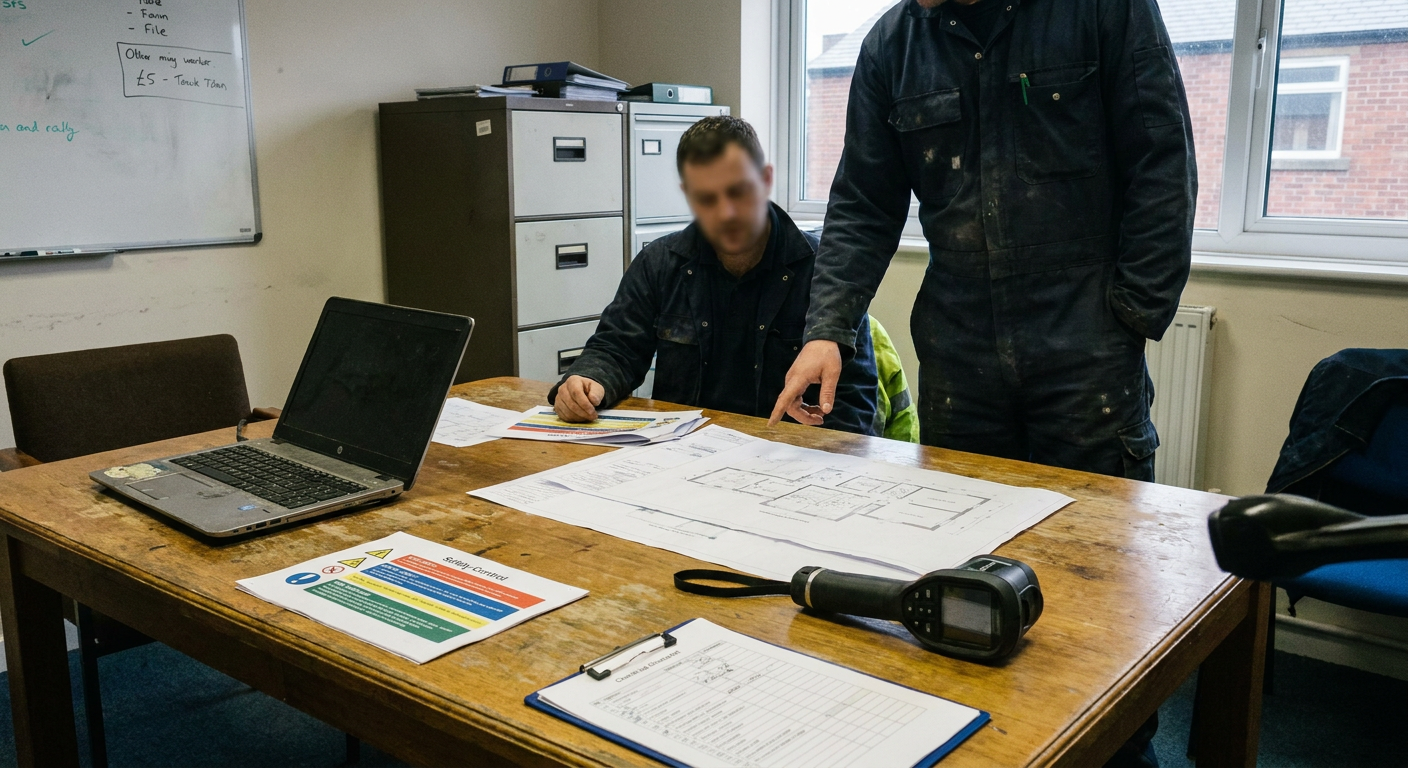
A fire risk assessor in Tunbridge Wells will walk through the premises from the front door to the back exit. For a shop or café, that means looking at how people get out, where things that burn are stored, and whether alarms and extinguishers are in place and tested. The visit usually takes a couple of hours for a small unit.
The specialist does not need to close the shop. Most assessments happen around normal trading hours so customers can still come in. If the premises are a restaurant with a busy lunch service, the assessor can start earlier or later to stay out of the way. You can read more about what the visit covers on the page about <a href="/what-we-cover/fire-risk-assessment-tunbridge-wells">fire risk assessments in Tunbridge Wells</a>.
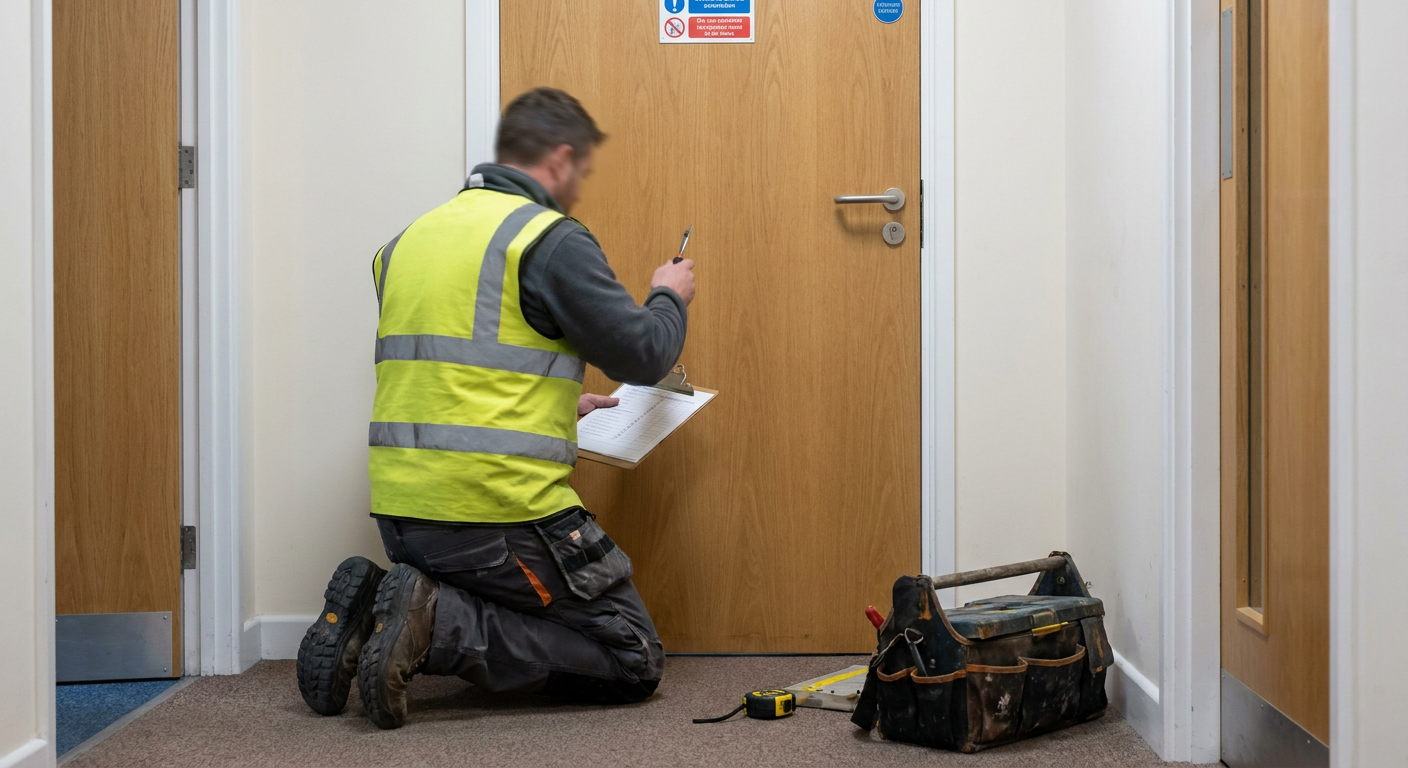
After the visit, the assessor writes a report. It lists what was found, what needs fixing, and how soon each action should be done. The document tells you exactly what to do next. Some specialist firms stop there. Others help arrange the follow-on work, such as <a href="/what-we-cover/fire-door-inspection-tunbridge-wells">checking fire doors</a> or setting up staff training.
Competence and knowing who is right for your premises
People often search for fire safety advice near me and wonder if the person who turns up actually understands their specific building. Competence comes from experience with similar premises. A firm that mostly visits warehouses may not be the best fit for a listed building on the Pantiles.
When you send an enquiry, describe what you run. Mention the kitchen extraction, the basement storage, or the flat above the shop. That detail helps ensure the right specialist takes the job. You can read about <a href="/how-enquiries-work/who-we-are">who handles these enquiries</a> and how competence is checked before anyone visits your home or workplace.
For those needing broader guidance, a fire safety consultant in Kent will understand the local building stock, from Victorian terraces to modern office conversions. The law requires the responsible person to appoint someone competent. Guidance on <a href="/what-the-law-asks/responsible-person-duties-tunbridge-wells">responsible person duties</a> explains what that means in practice.
Mixed-use buildings: restaurants with flats above
A common question from owners on the High Street is whether a restaurant kitchen and a residential flat above need one assessment or two. The answer depends on how the spaces connect. If they share a staircase or a hallway, a single assessment covering the whole building makes sense. If the flat has its own street door and no shared parts, it might be separate.
Flats above shops have their own rules. The <a href="/what-the-law-asks/flats-above-shops-tunbridge-wells">guidance on flats above shops</a> explains where the commercial responsibility ends and the residential one begins. Compartmentation matters here. The walls and floors between the kitchen and the flat must stop fire spreading. A <a href="/what-we-cover/compartmentation-survey-tunbridge-wells">compartmentation survey</a> checks those barriers.
If the flat is rented out as part of a house in multiple occupation, different duties apply. Landlords can read about <a href="/what-we-cover/hmo-fire-risk-assessment-tunbridge-wells">HMO fire risk assessments</a> to see what changes when multiple households share a roof.
What you receive after the visit
The report is the main thing you get. It records the hazards found, the people at risk, and the steps needed to reduce that risk. Every action has a priority and a suggested timescale. So you know what to fix first and what can wait until the next maintenance cycle.
Some people ask if the specialist helps with the actions afterwards or just writes the report. Many firms offer both. They can draft <a href="/what-we-cover/fire-safety-policy-and-procedures-tunbridge-wells">policies and procedures</a>, draw up <a href="/what-we-cover/fire-evacuation-plans-tunbridge-wells">evacuation plans</a>, or deliver <a href="/what-we-cover/fire-safety-awareness-training-tunbridge-wells">awareness training</a> for your staff. You decide what you need once you have read the findings.
For offices, the focus often falls on escape routes and travel distances. A guide on <a href="/stories/escape-routes-and-travel-distances-in-small-offices">escape routes in small offices</a> shows what assessors look for when desks and partitions block the way out.
Arranging the visit and giving notice
Specialist firms usually need a few days to schedule a visit. During busy periods, such as after the council sends out enforcement letters, it might take longer. If you have received a <a href="/what-the-law-asks/fire-safety-letter-or-notice-tunbridge-wells">fire safety letter from the council</a>, mention it when you enquire so the urgency is clear.
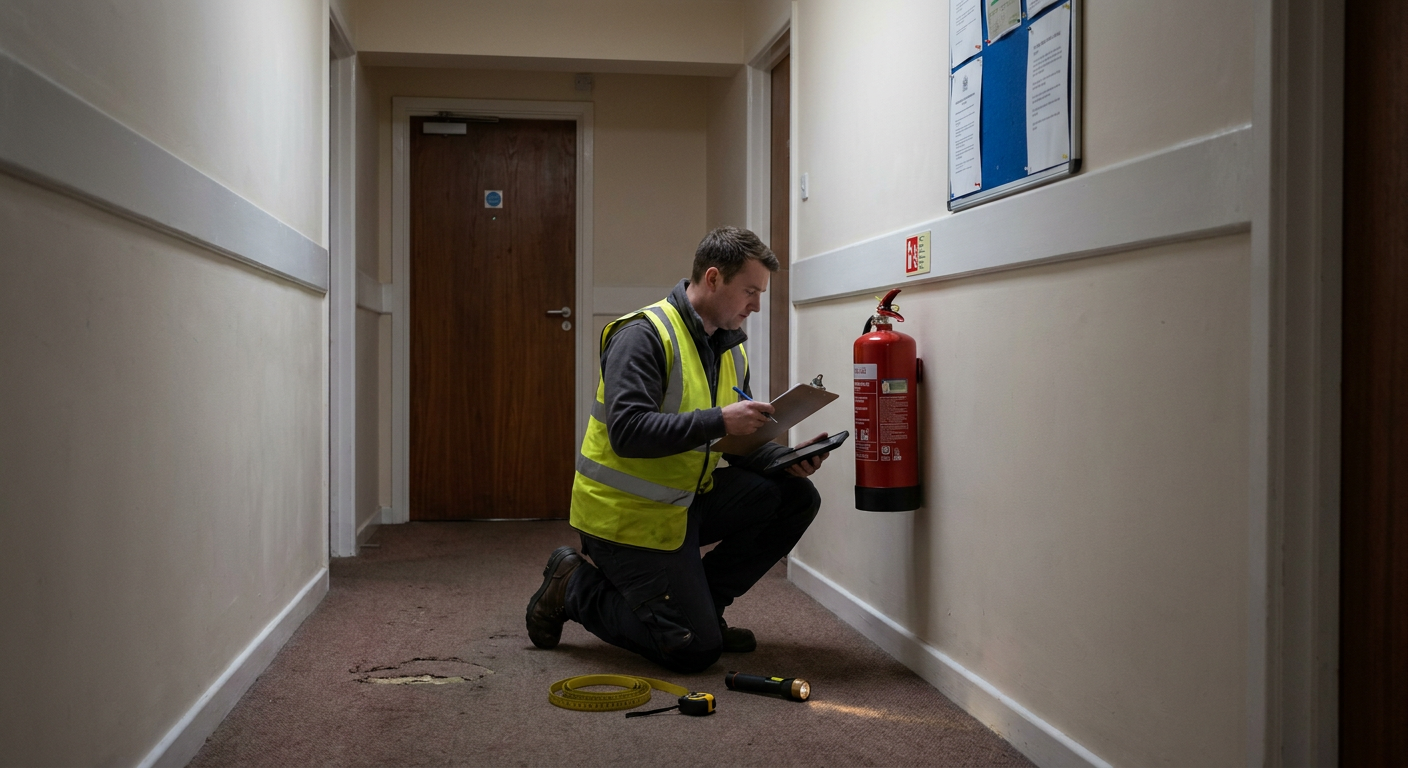
You do not need to prepare much. Clear access to cupboards, risers, and the back of the building helps. Have any previous reports or alarm testing records ready if you hold them. Advice on <a href="/what-we-cover/fire-alarm-and-extinguisher-testing-advice">alarm and extinguisher testing</a> explains what records matter.
The process starts with a short conversation. You describe the building, and the specialist confirms what is needed. Read about <a href="/how-enquiries-work/how-we-work-tunbridge-wells">how to arrange an assessment</a> step by step.
Signs your premises might need attention now
Small problems in a building often point to wider gaps in fire safety. Spotting them early means you can act before something fails during an emergency or before an inspector calls.
- 1
Fire doors propped open
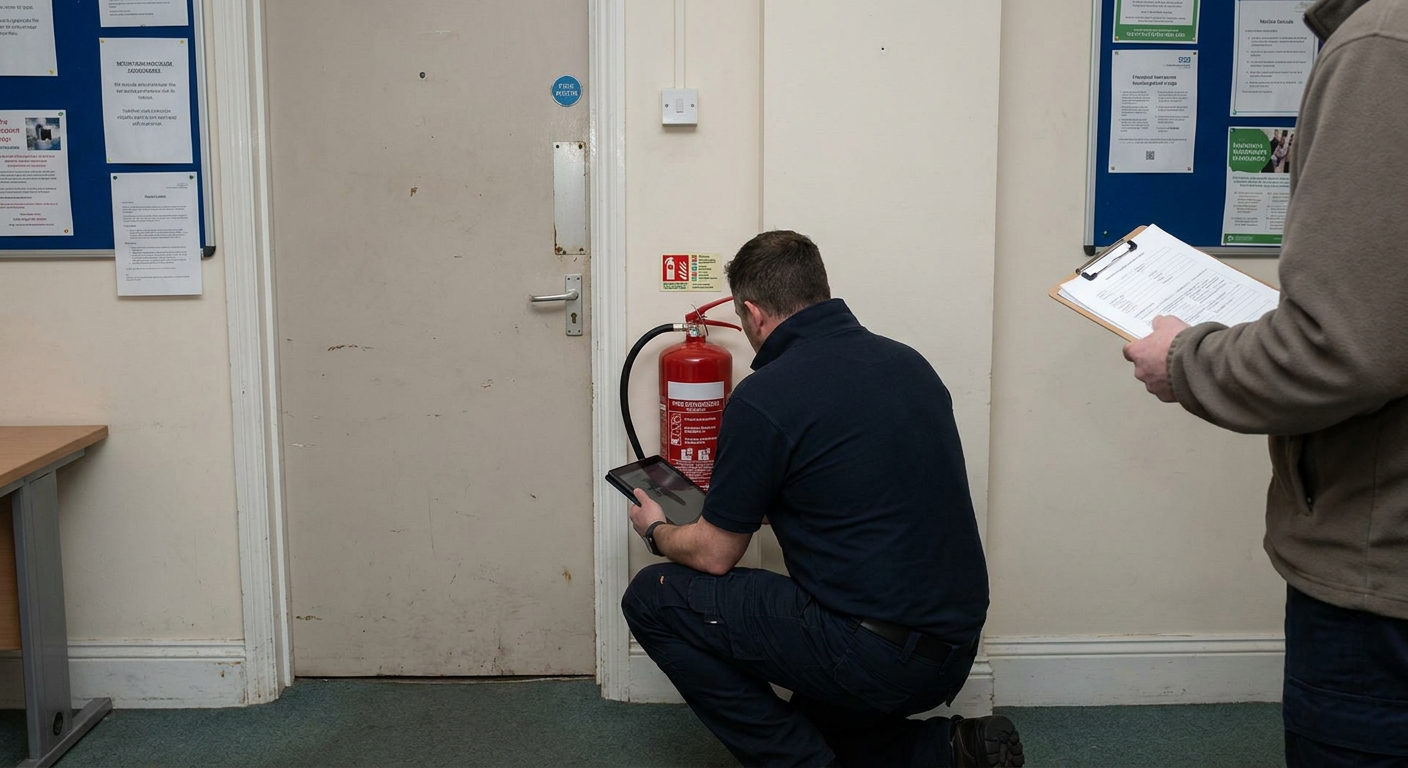
Wedges holding doors open defeat their purpose. A fire door only works when it closes fully into its frame.
- 2
Missing or faded exit signs
If staff or visitors cannot see the way out clearly, the route needs better signage or lighting.
- 3
Cluttered stairwells
Boxes or furniture left on stairs narrow the escape path and add fuel to a potential fire.
- 4
Untested alarm panels
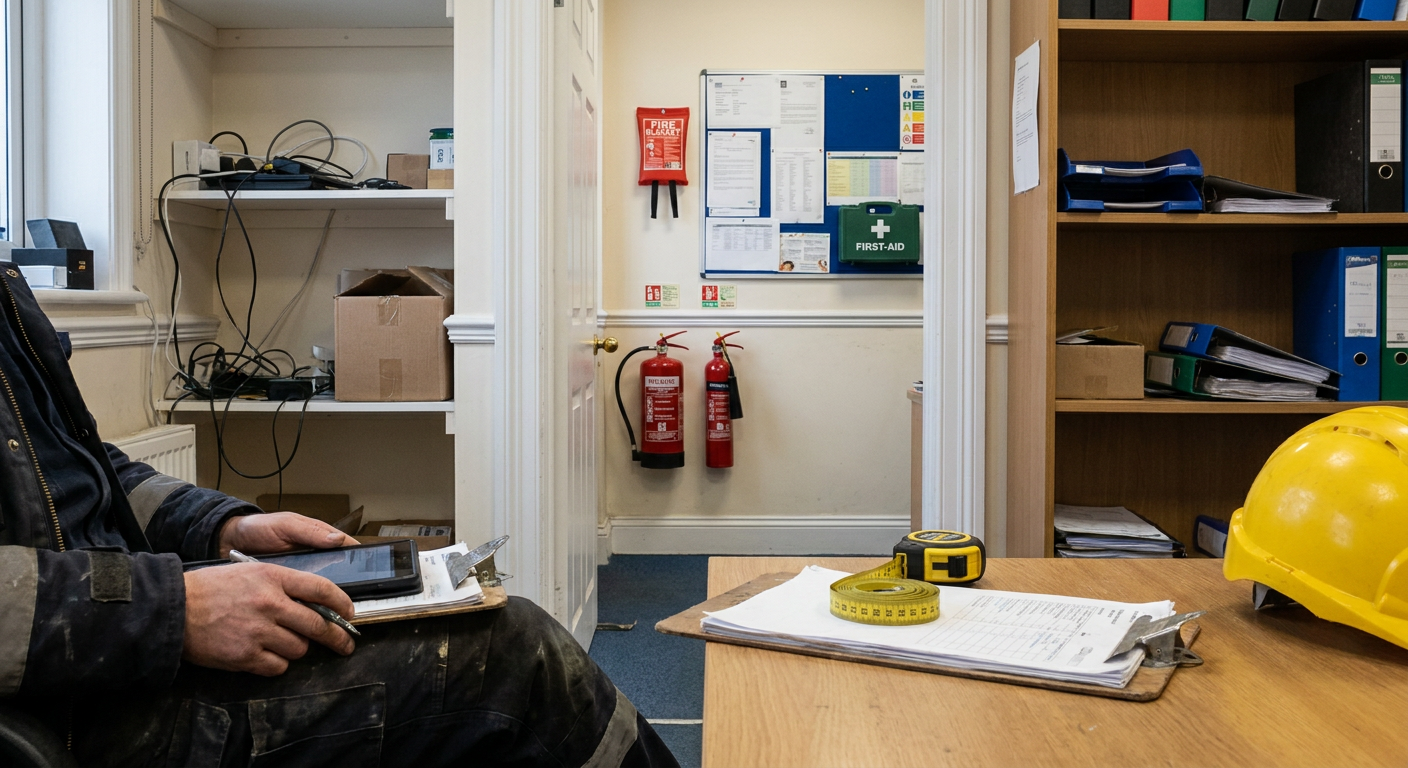
A panel showing a fault light or no record of weekly tests suggests the system may not sound when needed.
What affects the cost of an assessment
Every building differs. The time a specialist spends on site and the detail required in the report determine the fee.
The specialist explains the exact fee for your premises before you agree to anything.
- Size and layout
- More rooms, floors, and exits take longer to inspect and document than a single open-plan space.
- Type of use
- A kitchen with extraction ducts carries different risks to a quiet consulting room, changing the depth of work.
- Number of occupants
- Premises serving the public or housing vulnerable residents require more detailed evacuation planning.
- Existing documentation
- Having floor plans and past reports ready saves the assessor time measuring and researching the building.
Ask a question about your building
Send a message describing your premises and what worries you. Someone will reply with plain answers. This does not commit you to booking a visit or paying a fee.
- No obligation
- Plain answers
- Local knowledge