Tunbridge Wells
Fire risk assessment in Tunbridge Wells
Send the details of your building to request a fire risk assessment in Tunbridge Wells. The specialist firm will reply with what they need and how long the visit takes. There is no charge for the enquiry.
Fire risk management
What the assessment covers in Tunbridge Wells
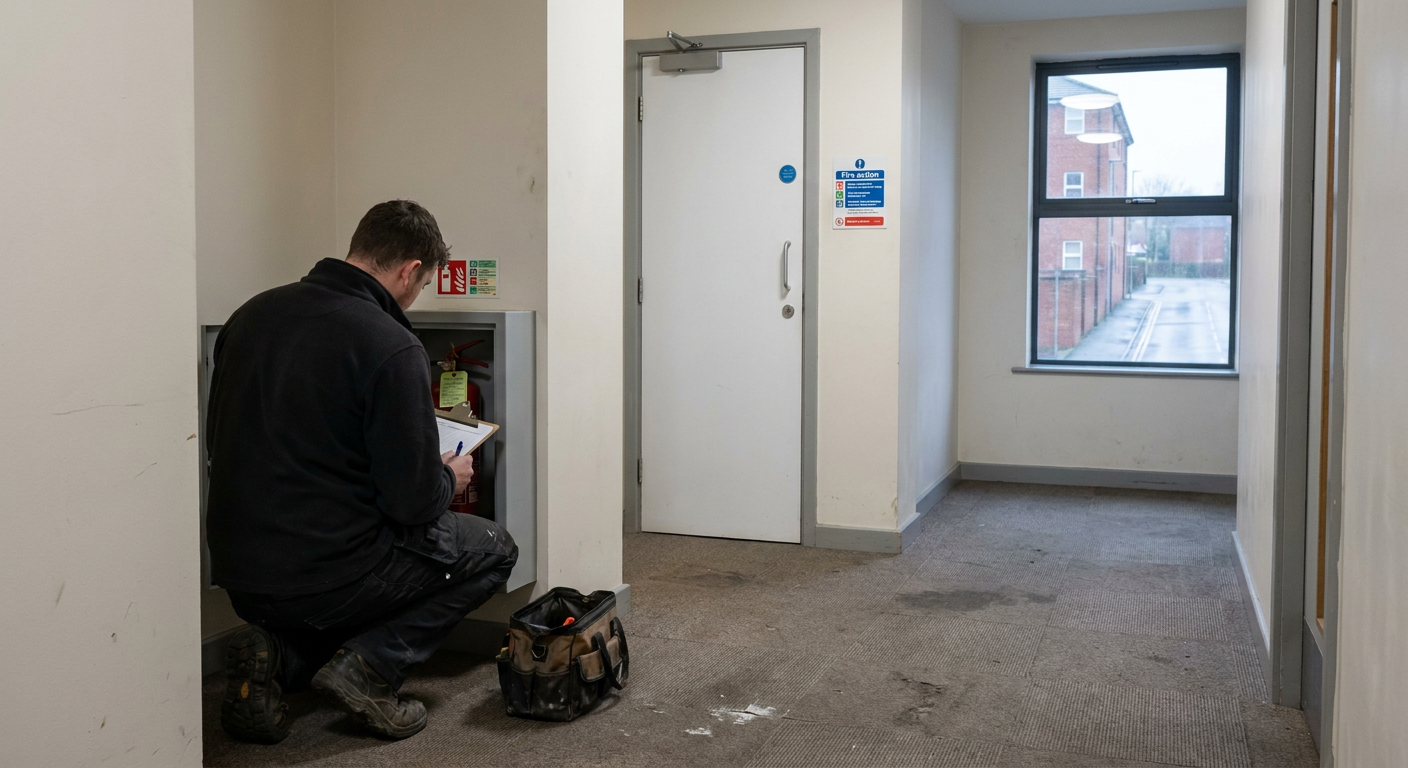
Walk round the building
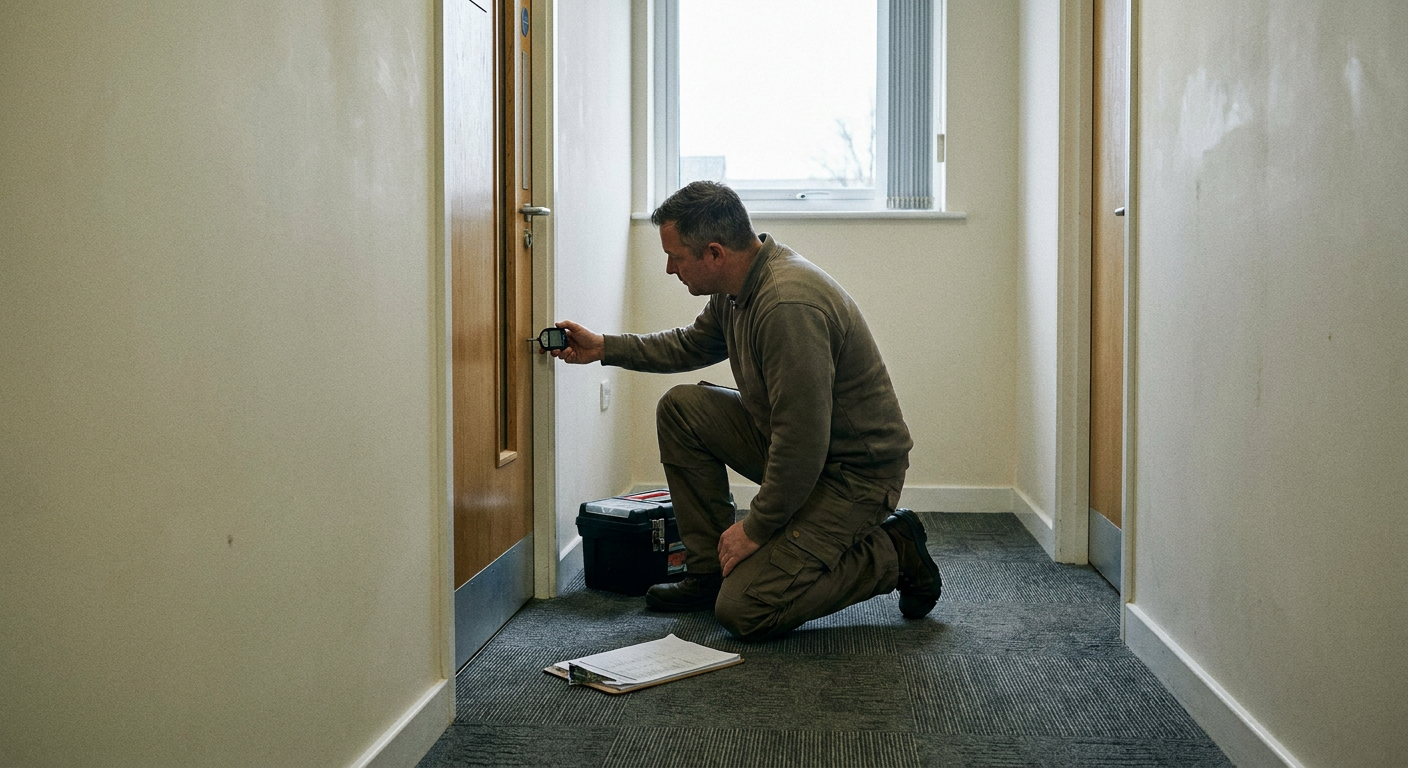
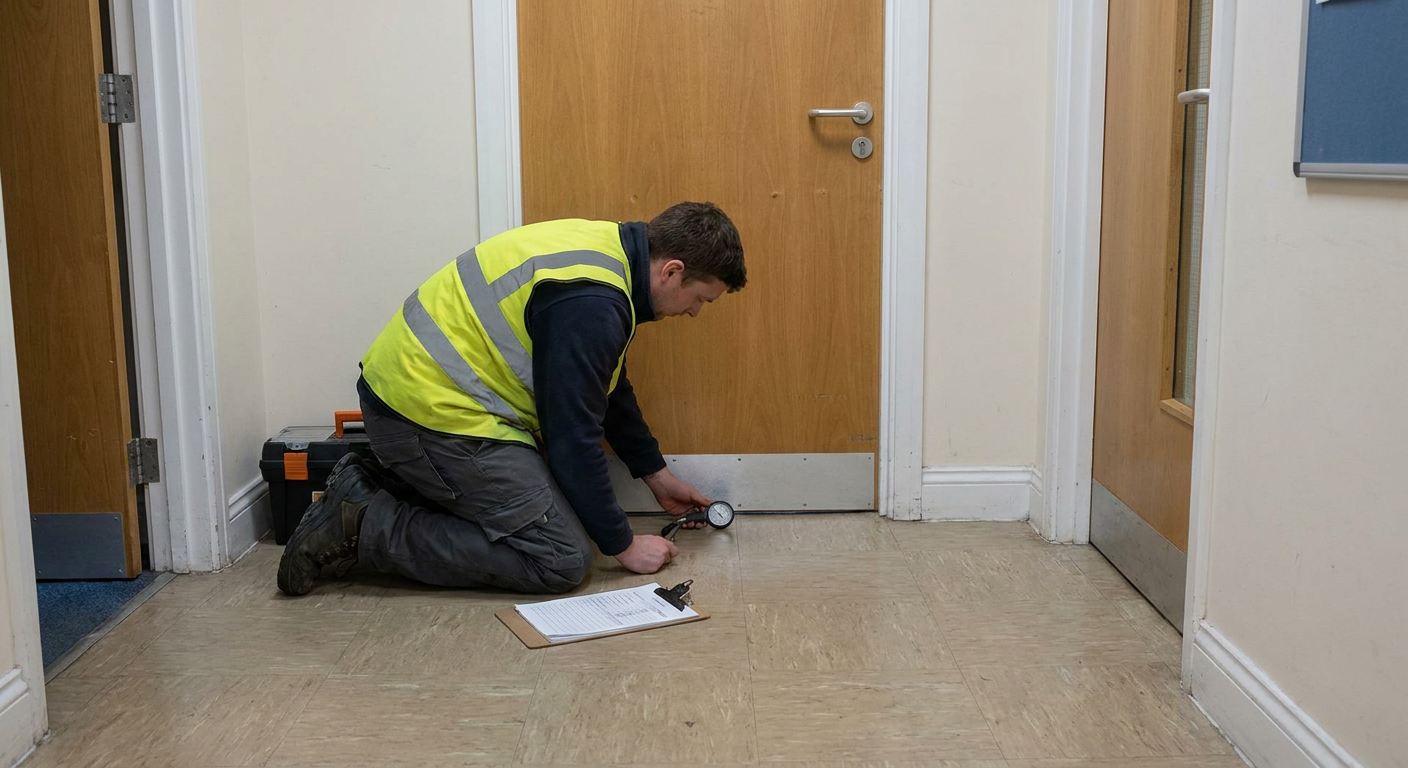
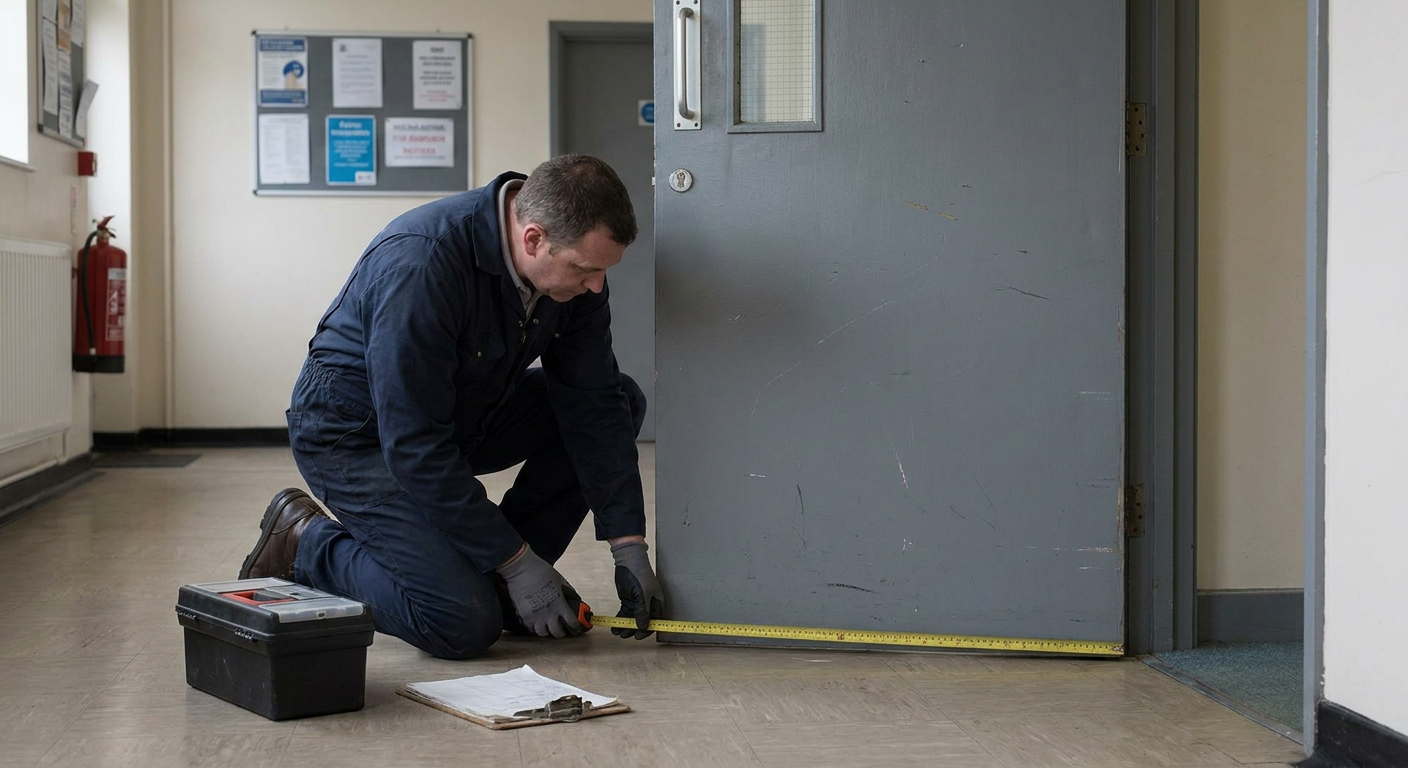
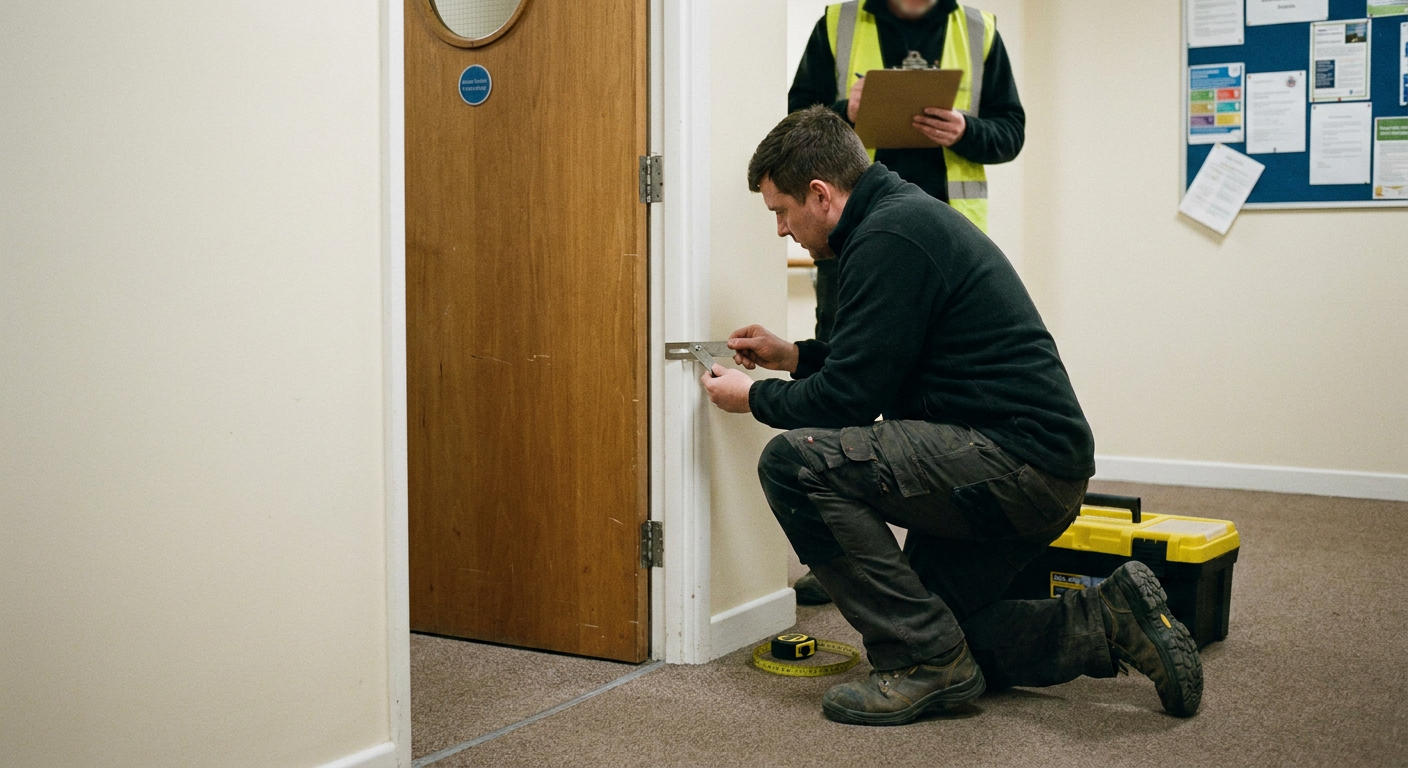
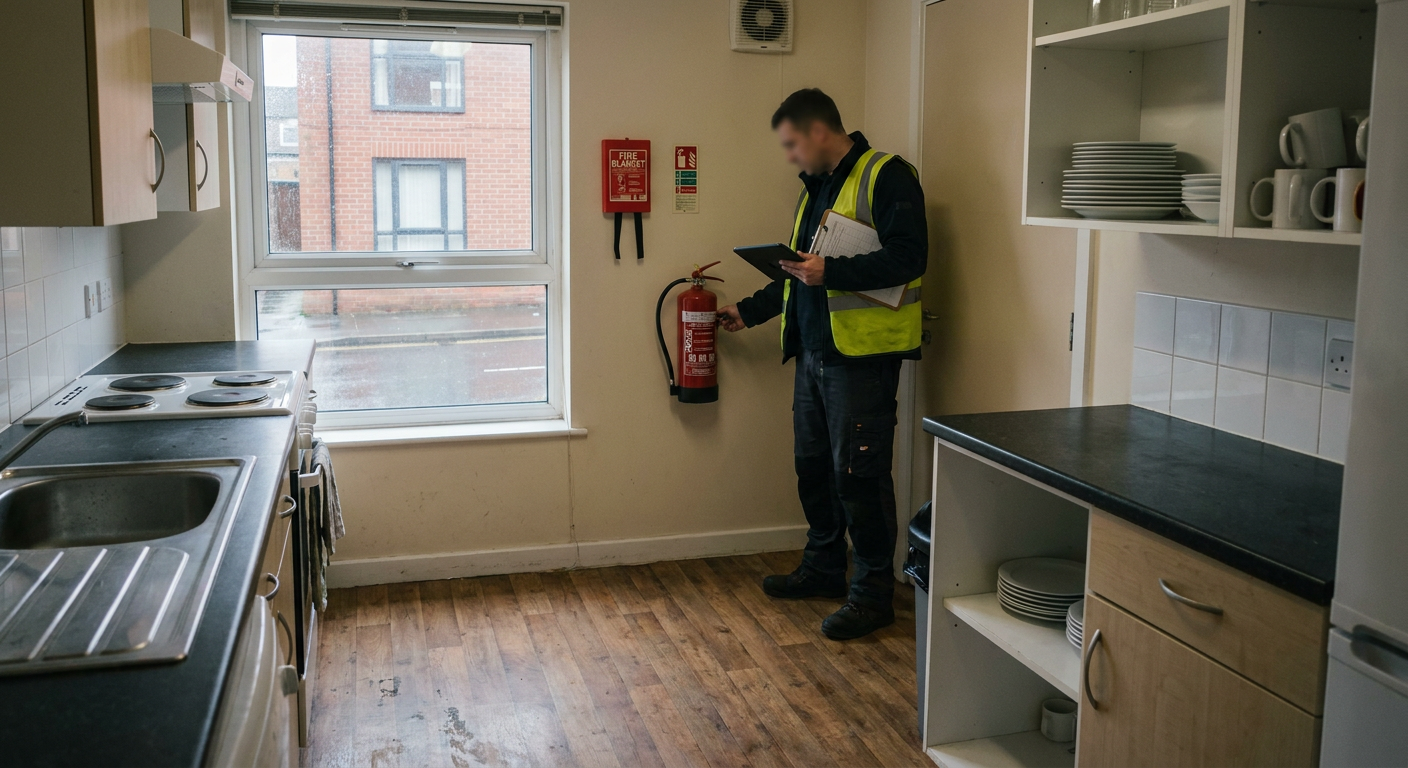
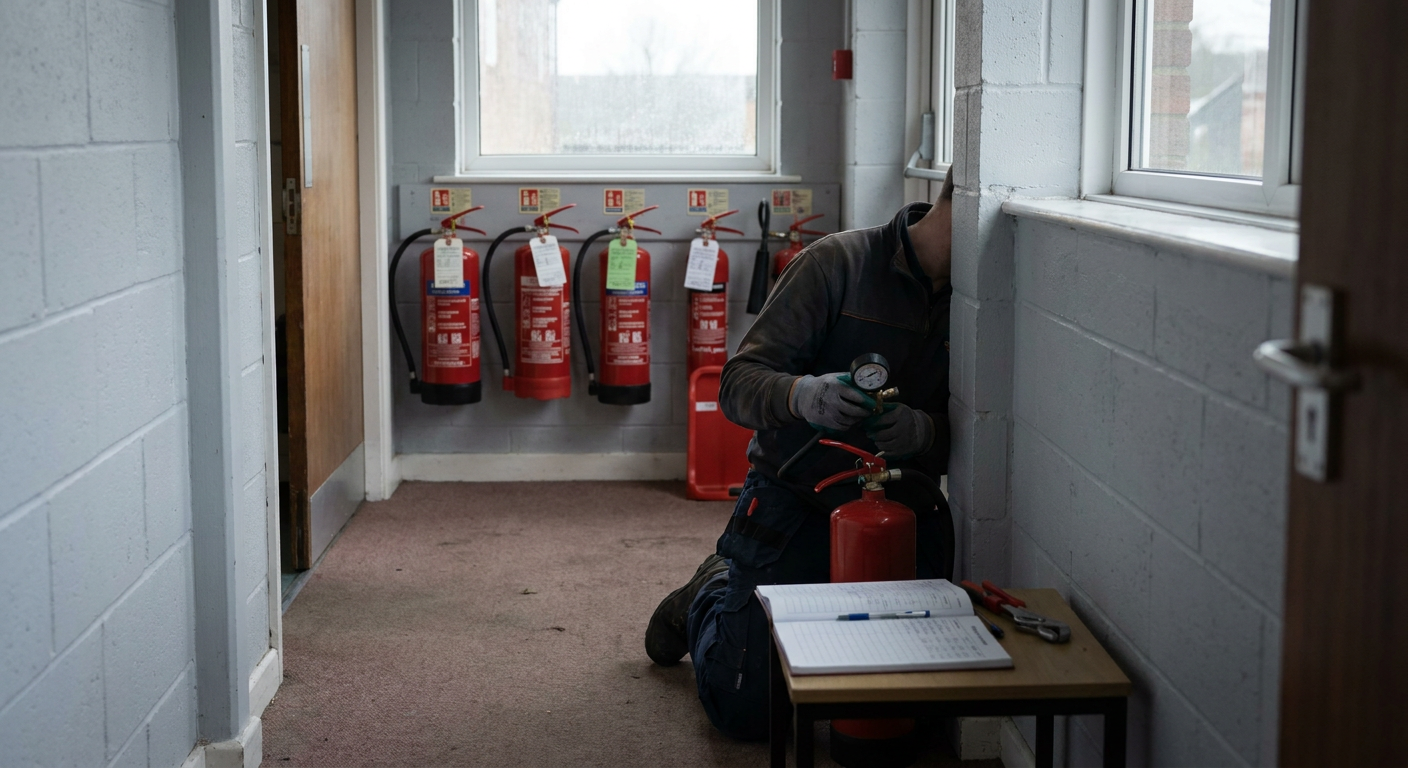
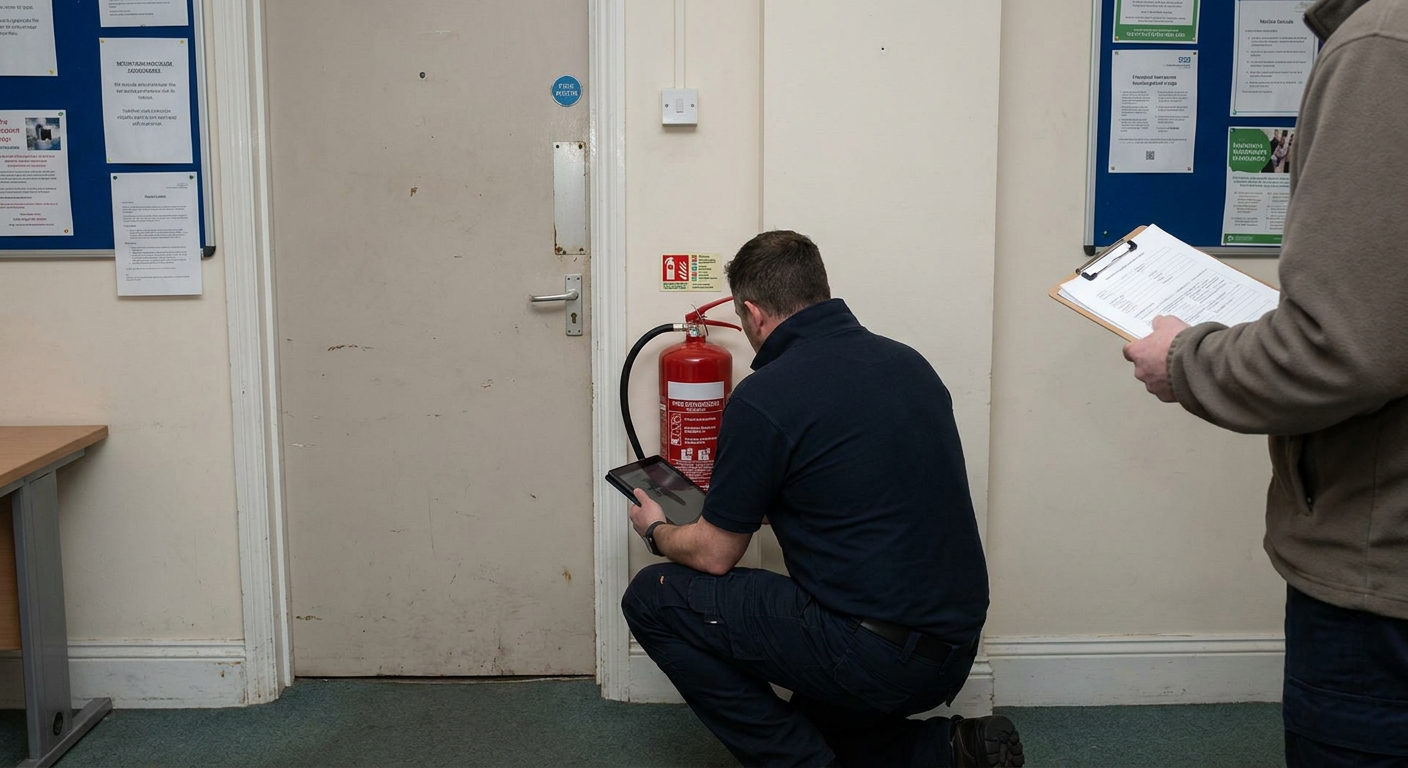
The assessor checks escape routes, fire doors, alarms, extinguishers and any shared spaces like stairwells or corridors used by flats above shops.
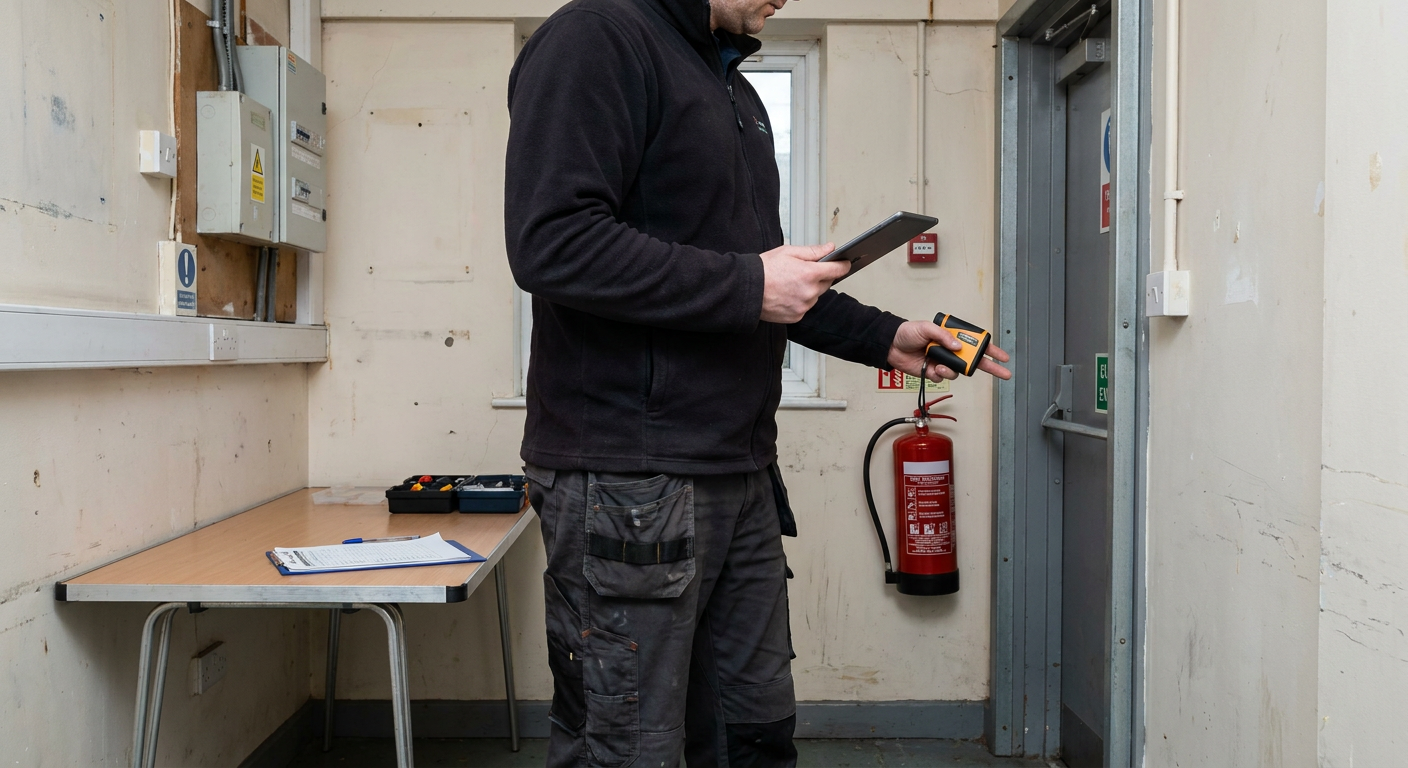
Record the findings
Every hazard spotted during the walk round is written down with a priority level and a timescale so you know exactly what needs attention first.
Produce the action plan
You receive a report that meets the law and satisfies insurers. It tells you what to fix, who should do it and when it must be done.
Why buildings in town need checking
Shops, offices and flats in Tunbridge Wells change hands, get altered or simply age. A fire assessment for commercial premises or a block of flats catches problems before they matter. These signs suggest something needs looking at.
- 1
Doors that stick or sag
A heavy door that drags on the frame may have lost its self-closing ability, leaving a gap smoke can pass through.
- 2
Blocked stairwell landings
Boxes or bins left on communal stairs narrow the route out. In flats this often goes unnoticed until someone trips.
- 3
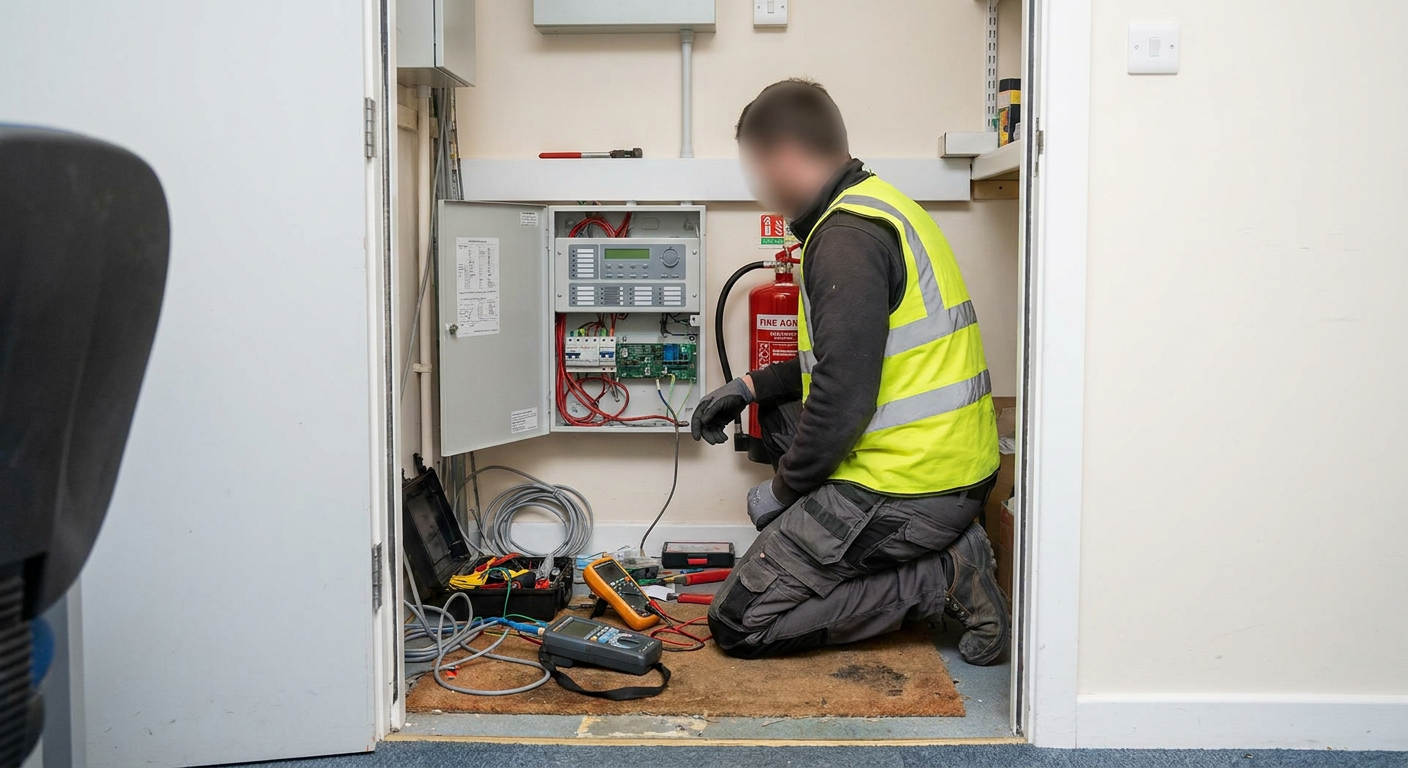
Missing alarm call points
Empty wall plates where break-glass units should be mean the system was changed but never finished properly.
- 4
Peeling intumescent strips
The seal around a fire door edge lifts away over time. Without it the door cannot hold back heat for long.
From uncertainty to a clear record
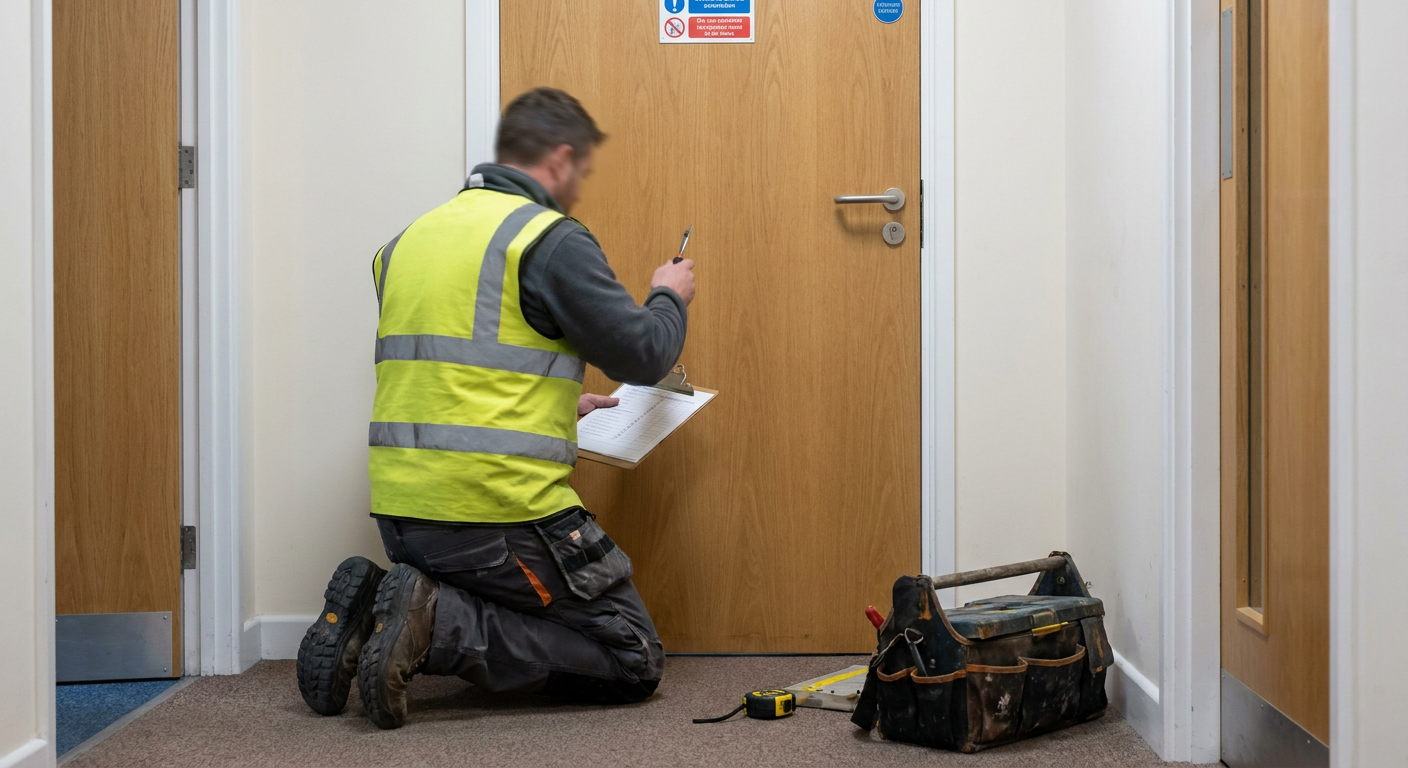
Most buildings start without a current record of their fire risks. By the end of the visit the picture changes completely.
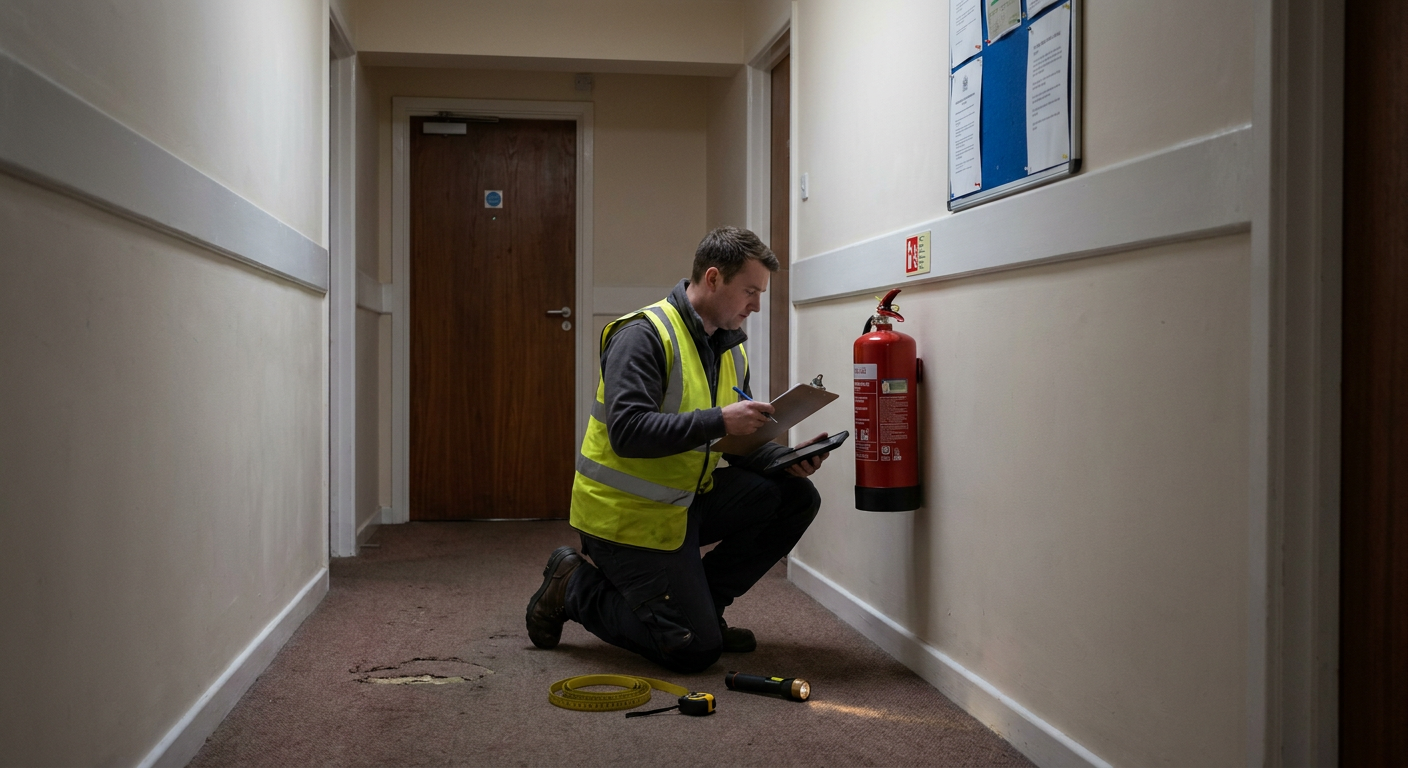
A typical starting point
No recent report exists. Stairwells in flats lack checked compartmentation. Shop staff do not know the evacuation plan. Fire doors have not been tested.
A typical finish
A written report lists every finding. Priorities and dates sit beside each item. The responsible person holds proof the building was assessed by a competent specialist.
What shapes the cost of the visit
People searching for a fire risk survey Tunbridge Wells price find no single figure because every building differs. The specialist sets the fee after hearing what is involved.
- Size and floors
- More rooms and levels take longer to walk round and document, so the visit costs more.
- Type of use
- A shop with a flat above needs both retail and residential risks recorded, adding time.
- Number of occupants
- Buildings holding many people require closer attention to travel distances and exit capacity.
- Age of the building
- Older structures often have layered alterations the assessor must untangle to judge current safety.
The specialist explains the full cost for your particular building before anything is agreed.
Arranging the assessment step by step
Booking a fire risk assessment follows a set path from the first message to the finished report. Here is what typically happens.
| What it depends on | Why it matters |
|---|---|
| Send the building details | Describe the premises, its use and size. This lets the specialist decide who carries out fire risk assessments of this type. |
| Agree the visit date | The assessor comes while the building is occupied. Shops keep trading; residents stay home. Empty premises hide daily habits. |
| Receive the written report | The document arrives with prioritised actions and timescales. It serves as evidence for insurers and the local fire authority. |
| Arrange follow-up help | If the report recommends fire door inspection, compartmentation surveys or staff training, separate specialist firms handle those tasks. |
The specialist outlines the steps and timing for your specific building before you commit.
Areas covered around Tunbridge Wells
Enquiries are taken for fire risk management across Tunbridge Wells and the surrounding towns. Specialist firms travel to each address to carry out the work on site.
If your town is not listed here, send an enquiry anyway. Coverage often extends further than expected.
Request your assessment
Send the details of your building. The information goes to a specialist firm that handles fire risk assessments. You are not committing to anything by asking.
- No obligation to proceed
- Enquiries handled promptly
- Local specialists only